
Apple’s next major software update, widely expected to arrive as iOS 27, may introduce a suite of significant changes that reshape how people use their iPhones in everyday life. Rather than offering just minor refinements, this release is shaping up to include features designed to influence core aspects of communication, personalization, and system intelligence. If these developments arrive as expected, iOS 27 could feel like one of Apple’s more impactful upgrades in recent years.
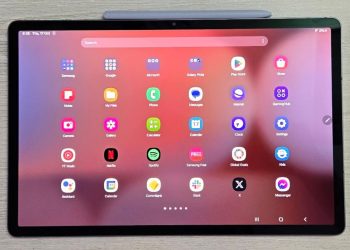
One of the biggest anticipated changes involves a smarter home screen experience. Rather than static app icons, iOS 27 may provide more dynamic and context-aware elements that adjust based on your routine, location, or the time of day. For example, apps you use most in the morning could appear more prominently on the screen, or shortcuts for common actions might surface automatically when they’re likely to be useful. This kind of adaptive interface could make the iPhone feel more intuitive, reducing taps and anticipatory guesswork as you move through your day.
Another area that could see a major overhaul is notifications and focus management. Apple has been tweaking how alerts are delivered and filtered, and with iOS 27 those tools may become more granular and intelligent. Instead of generic filtering, the system could adapt based on your activity and past behavior, suppressing distractions when you’re in a meeting or highlighting urgent communications when you’re free. This would build on existing focus modes while making them feel less manual and more like a helpful layer of awareness built into the device.
Messaging is also expected to get meaningful enhancements. Apple may add features that allow richer interaction patterns within the core Messages app, such as improved threading, contextual replies, or smarter suggestions based on ongoing conversations. Built-in tools that help draft responses or organize group chats could reduce friction and make messaging feel more fluid, especially for users who juggle social, work, and family threads throughout the day.
Privacy and security — longtime cornerstones of Apple’s platform — are likely to be reinforced through tighter controls and clearer permissions. Rather than simply asking for access when needed, iOS 27 could introduce proactive suggestions about privacy settings based on how apps behave, helping users stay more aware of what data they share and with whom. These enhancements would aim to protect user data without interrupting workflow, strengthening the iPhone’s reputation as a secure choice for personal and professional use.
Behind the scenes, Apple may expand its use of on-device intelligence to power features that used to rely on cloud processing. By keeping sensitive processing local, the system can offer faster reactions and improved privacy. This could affect everything from predictive text and search suggestions to intelligent photo organization and context-aware alerts. The result would be an iPhone that feels more responsive and personalized without compromising user security.
Taken together, these possible additions point toward a shift in how the iPhone adapts to individual users rather than expecting people to adapt to their phones. Instead of static menus and one-size-fits-all layouts, iOS 27 could bring tools that sense your needs and adjust accordingly, making routine tasks easier and reducing unnecessary friction. For many users, that shift could feel like a redefinition of what a mobile operating system can do.
While Apple has not confirmed exact details or release timing, the direction suggested by industry developments and insider previews hints at a substantial upgrade. If iOS 27 lives up to expectations, it may mark a notable step forward in how software anticipates user needs, manages digital life complexity, and reinforces the iPhone’s place at the center of daily routines.