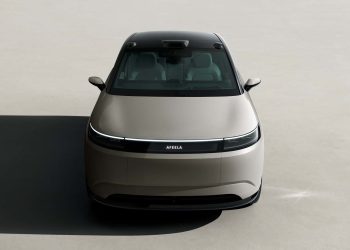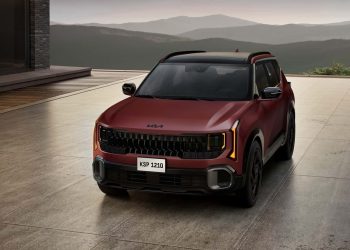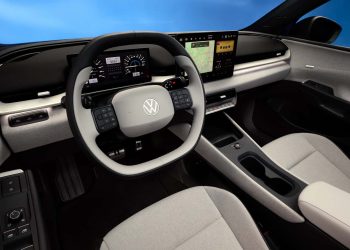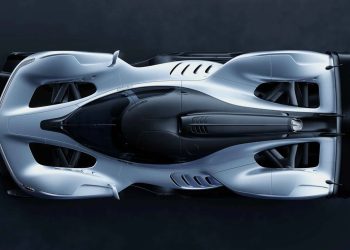

The electric vehicle market is gearing up for a busy 2026, with several new models poised to expand choices for buyers and push innovation in range, performance, and design. As more manufacturers invest in battery-powered cars, the lineup of upcoming EVs reflects a broadening of the segment — from family-friendly crossovers to high-performance machines that rival traditional sports cars. What’s notable about this wave of vehicles is not just the number of new entries, but how varied they are in price, purpose, and feature focus, giving shoppers plenty of reasons to consider going electric.
One of the most exciting developments is the arrival of new long-range offerings that aim to ease range anxiety and appeal to mainstream drivers. Improvements in battery technology and thermal management are helping these vehicles stretch their estimated travel per charge further than many current models. For daily commuting, road trips, or mixed use, drivers can expect these new EVs to deliver usable ranges that feel competitive with, or even exceed, many gas-powered cars — a factor that could tip the scales for households considering their first full electric purchase.
Performance is another theme that stands out in the 2026 roster. Some of the new EVs are focused on delivering faster acceleration, sharper handling, and more engaging driving dynamics. With electric motors able to deliver intense torque instantly, these performance-oriented models challenge conventional expectations of eco-friendly vehicles. Whether it’s a sporty sedan that can sprint with the best of them or an all-wheel-drive crossover that feels planted in corners, electric powertrains are providing fun without compromising efficiency.
Family and lifestyle buyers aren’t being overlooked, either. Several upcoming EVs prioritize interior space, comfort, and practical features that fit everyday life. Larger battery packs, flexible seating, and advanced infotainment systems are becoming staples in this category. Safety enhancements and driver assistance technologies are also more sophisticated, giving buyers peace of mind that they’re investing in a vehicle as smart as it is environmentally responsible.
Affordability is creeping into the conversation more as well. While some EVs in previous years have carried premium price tags, newer models are showing that electric mobility can be accessible to a wider audience without sacrificing key features. Manufacturers are finding ways to balance cost with capability, whether through shared platforms, efficient production, or streamlined feature sets. This trend could help accelerate broader adoption as more would-be buyers find electric cars that fit their budgets and daily needs.
Charging infrastructure has also improved in the background, with more fast-charging stations and better integration with navigation systems that help drivers plan longer trips. Many of the new EVs expected in 2026 will take advantage of these networks, offering faster charging times and smarter power management features that reduce the frustration of long waits. This makes electric vehicles more practical for a wider range of use cases, from weekend getaways to daily errands.
Altogether, the lineup of EVs on the horizon for 2026 paints a picture of a maturing market that’s ready to serve more segments and preferences than ever before. Whether it’s extending range capabilities, offering strong performance, broadening affordability, or enhancing everyday usability, these new electric models are worth watching for buyers and enthusiasts alike. As technology continues to evolve and manufacturers refine their offerings, the electric vehicle landscape in 2026 looks set to be more dynamic and compelling than ever.