
The Ferrari Testarossa name is synonymous with excess, drama, and unmistakable design, making it one of the most celebrated supercars of the 1980s and a lasting pop-culture symbol thanks to its role in Miami Vice. When Ferrari recently revived the Testarossa badge on the ultra-powerful 849 Testarossa, reactions were mixed. While the new model delivers staggering performance with over 1,000 horsepower from a hybrid V-8 and a top speed beyond 200 miles per hour, many enthusiasts questioned whether its design truly honored the legacy of the original.
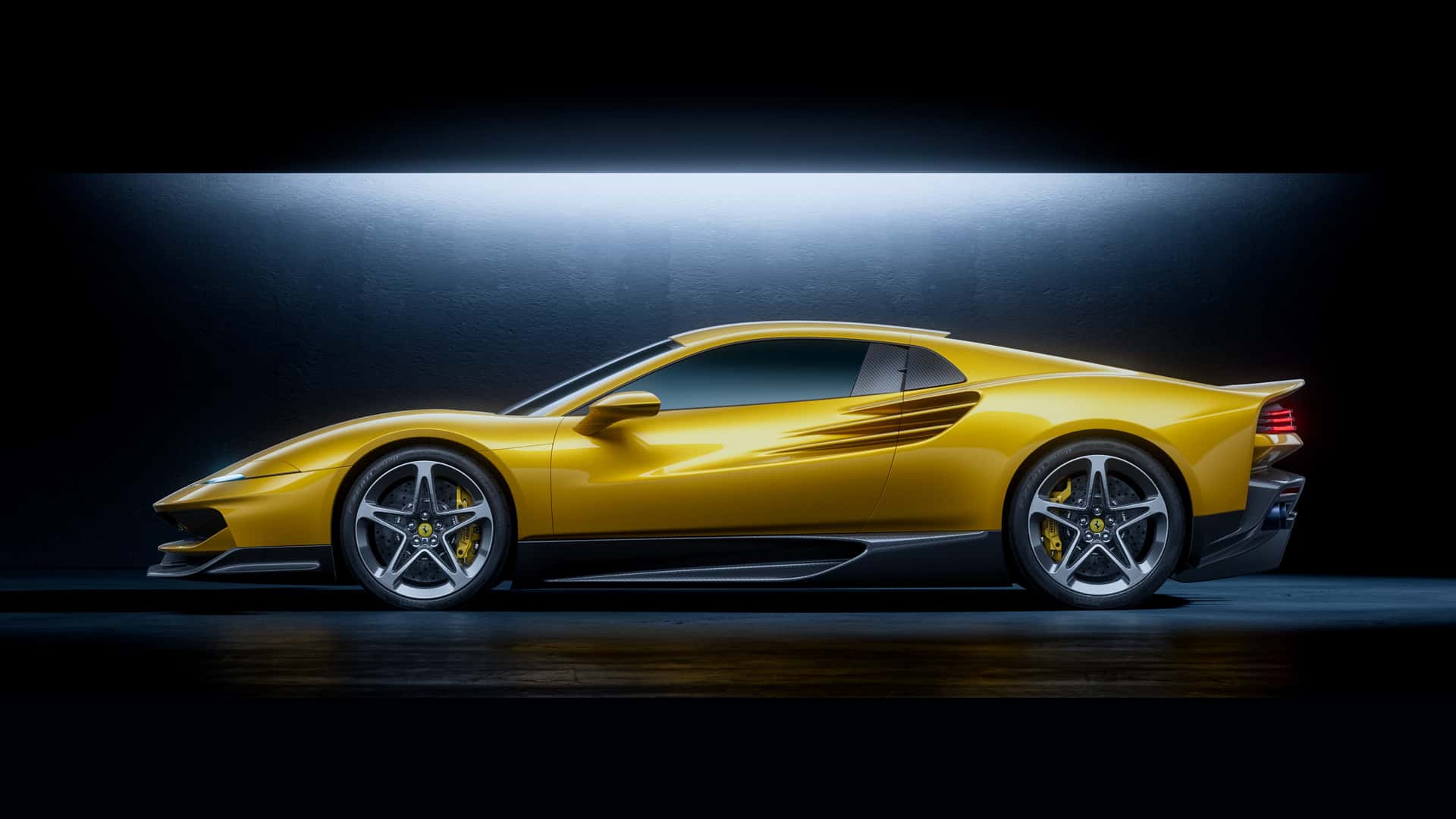
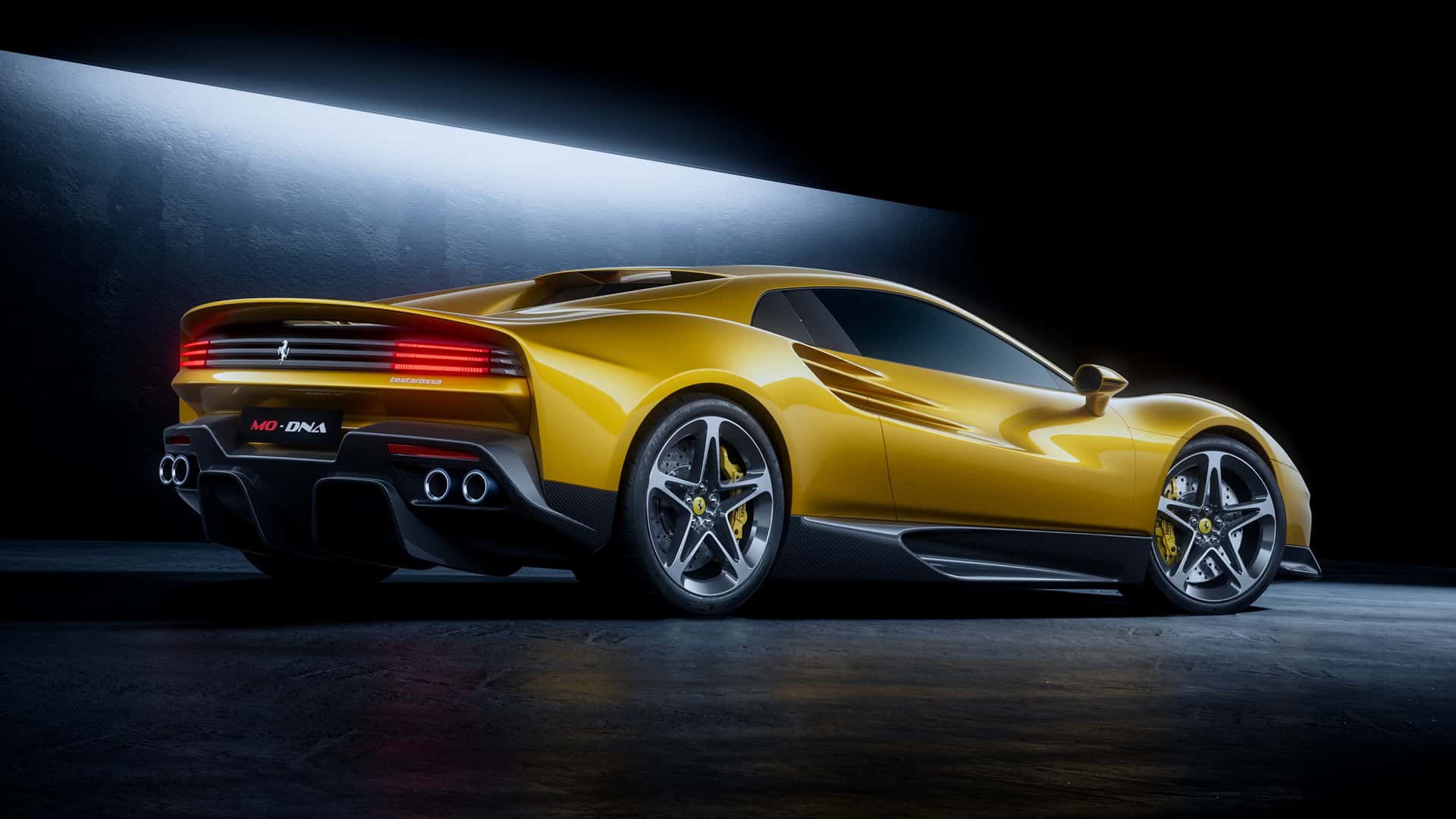
Italian visual artist and designer Luca Serafini believes the modern Testarossa could have done more to visually connect with its roots. Alongside fellow designer Aldo Russo, Serafini set out to imagine an alternative vision of what a modern Testarossa could look like if heritage played a more central role in shaping its form. The result is a striking, independent design study that blends modern supercar proportions with unmistakable references to Ferrari’s past.
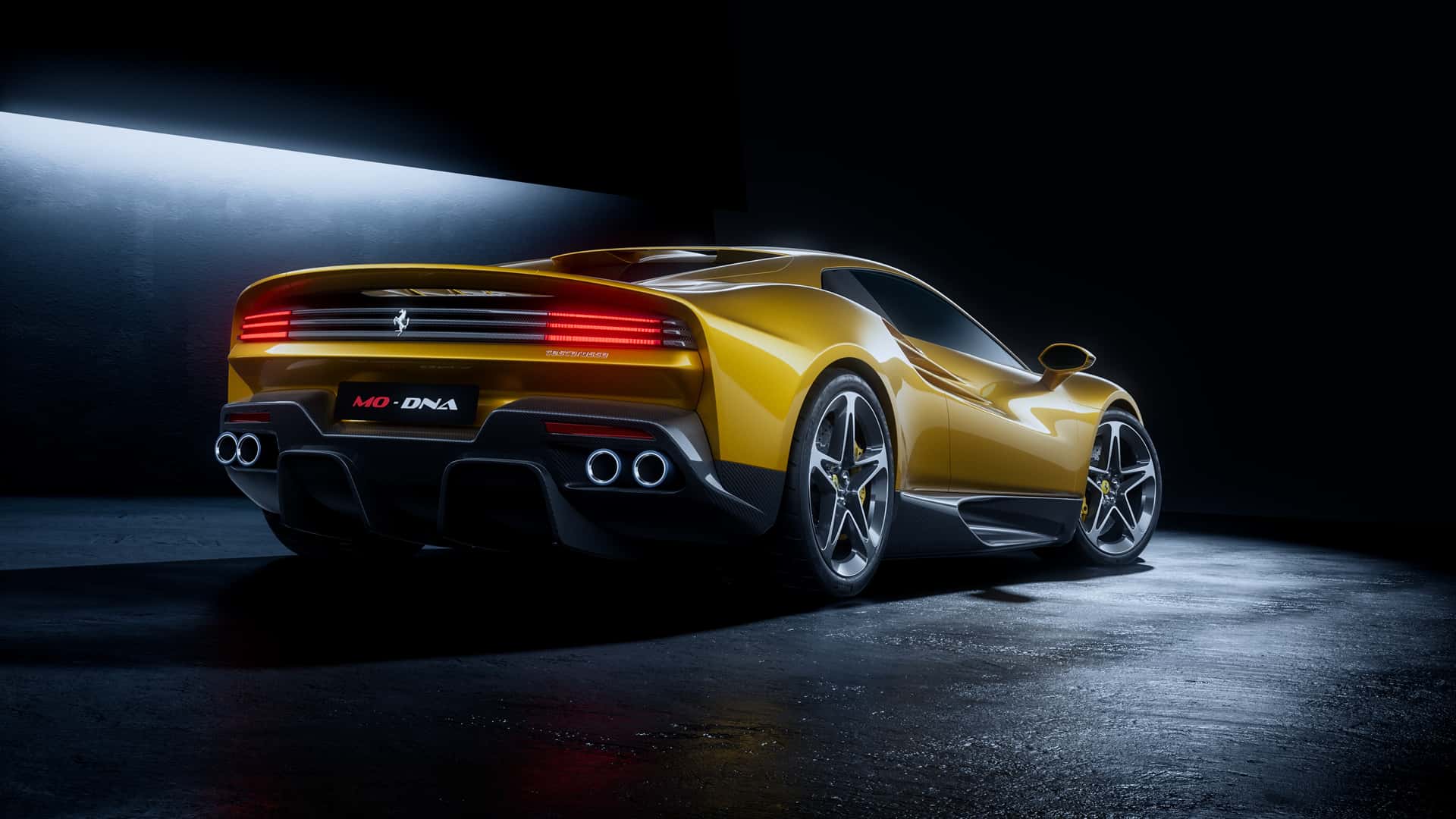
Serafini describes the original Testarossa as one of the purest automotive icons of its era, defined by extreme horizontal proportions, bold geometry, and an unapologetically dramatic presence. Those qualities became the foundation of his reinterpretation. Rather than simply copying classic elements, the concept integrates them in a way that feels modern and functional, ensuring the design could plausibly exist as a contemporary production car.
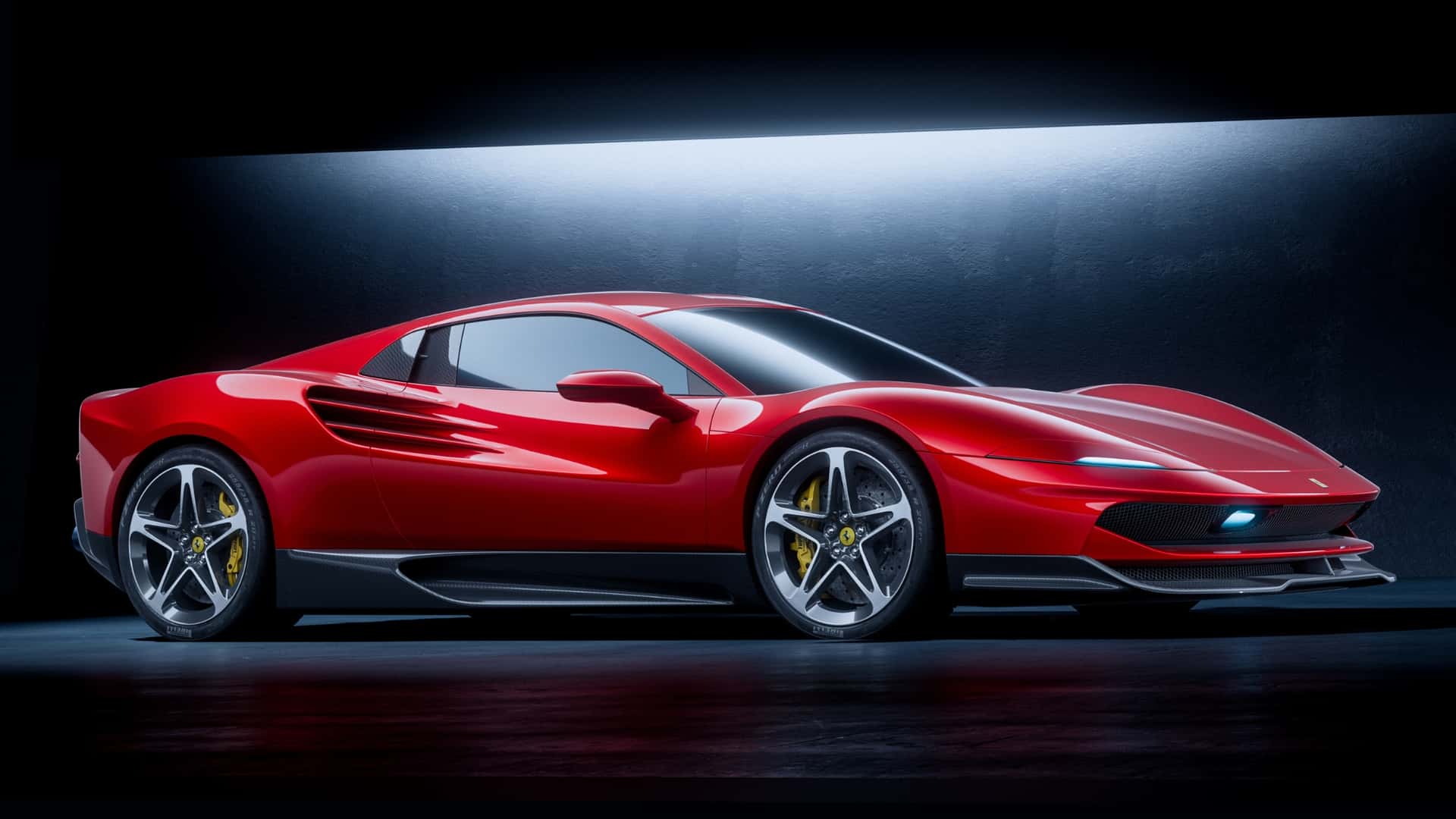
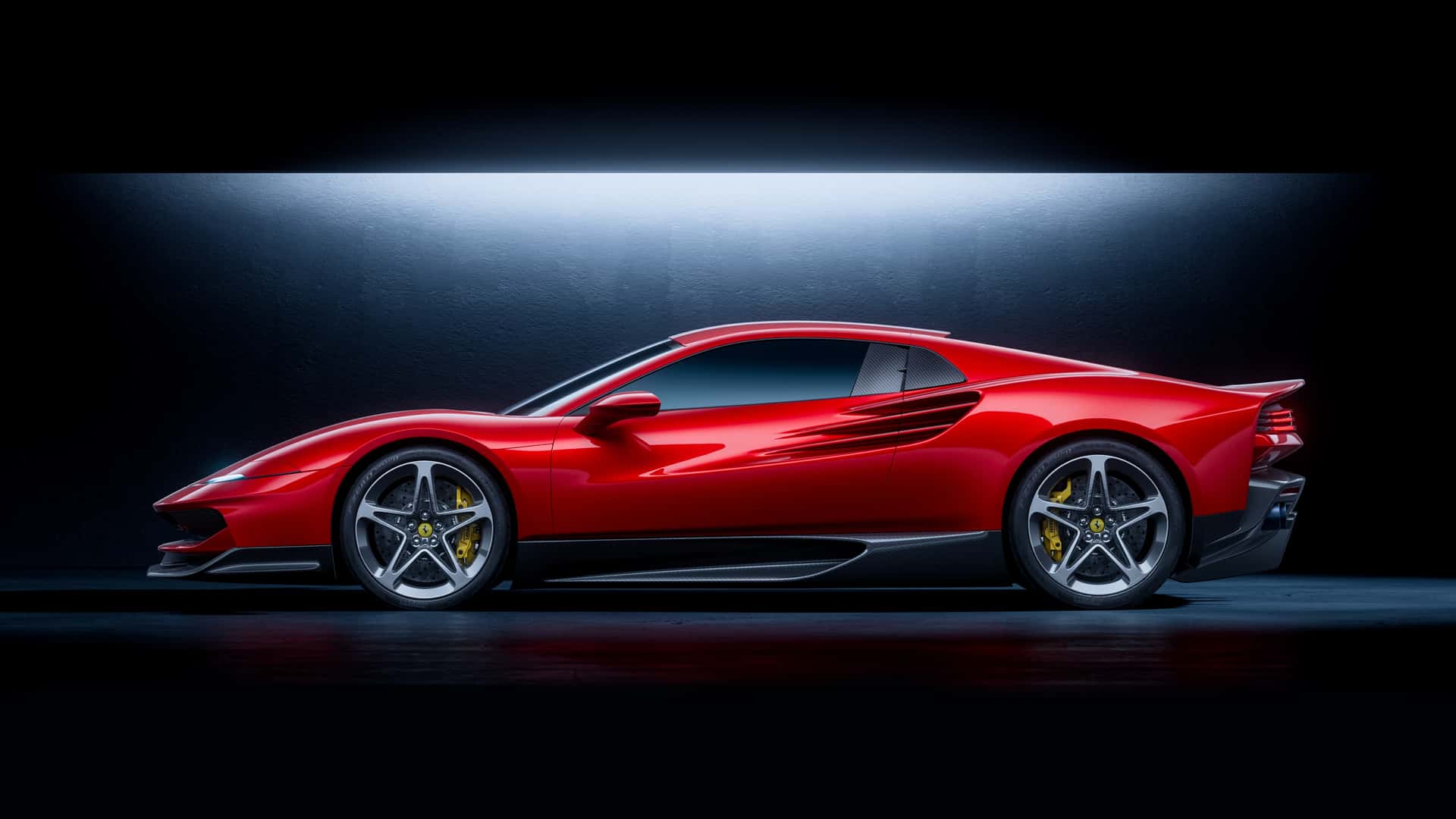
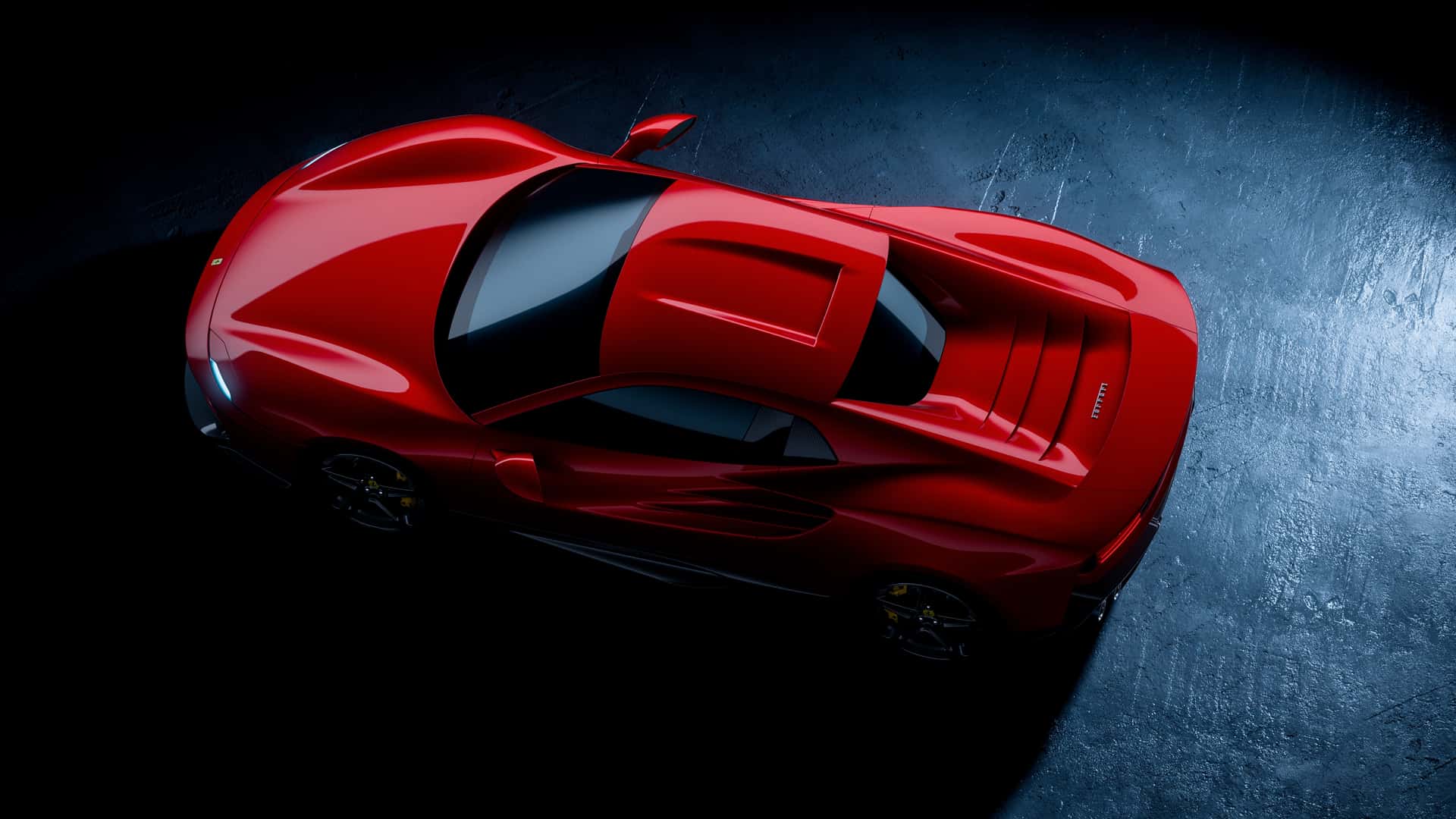
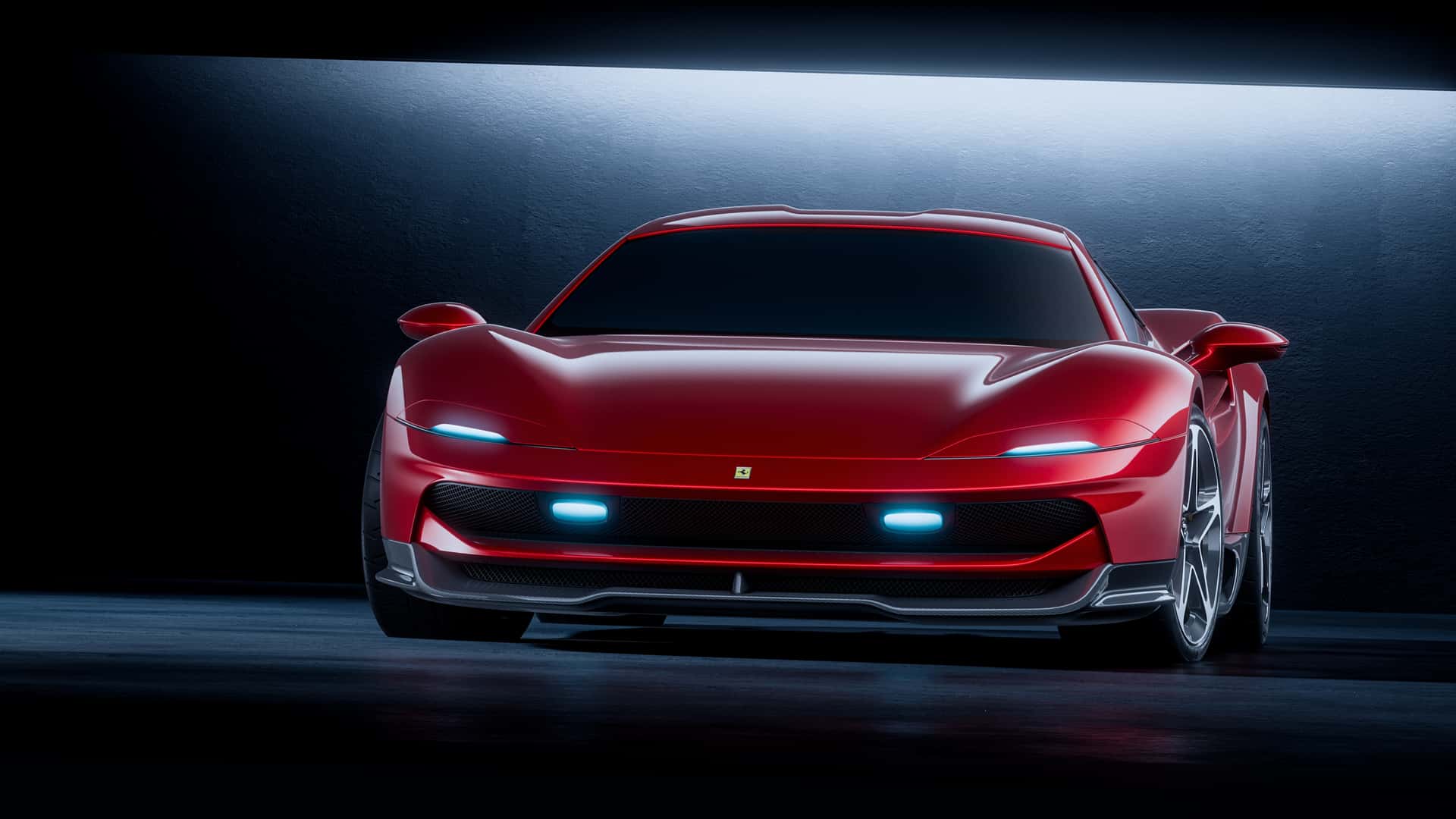
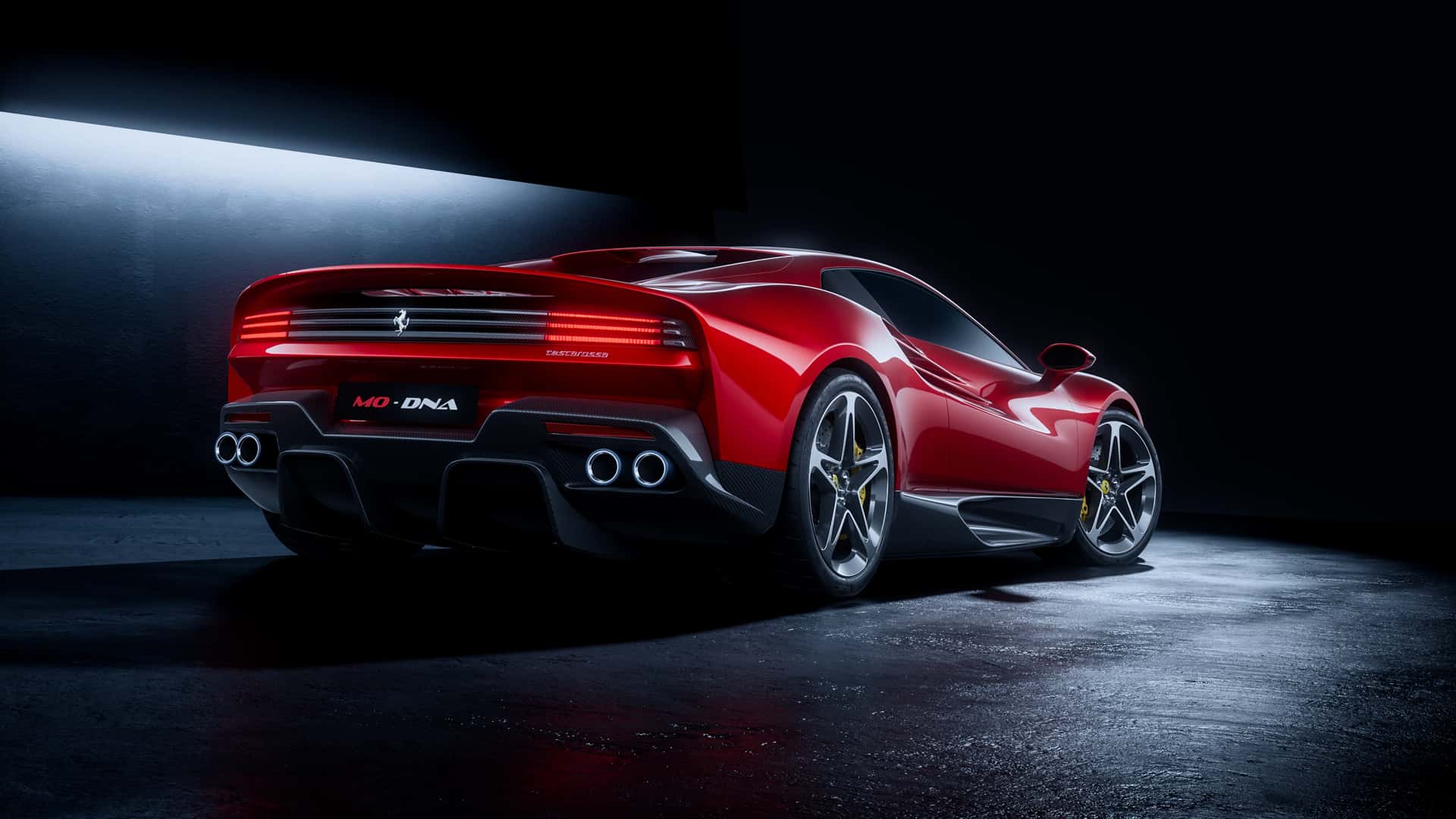
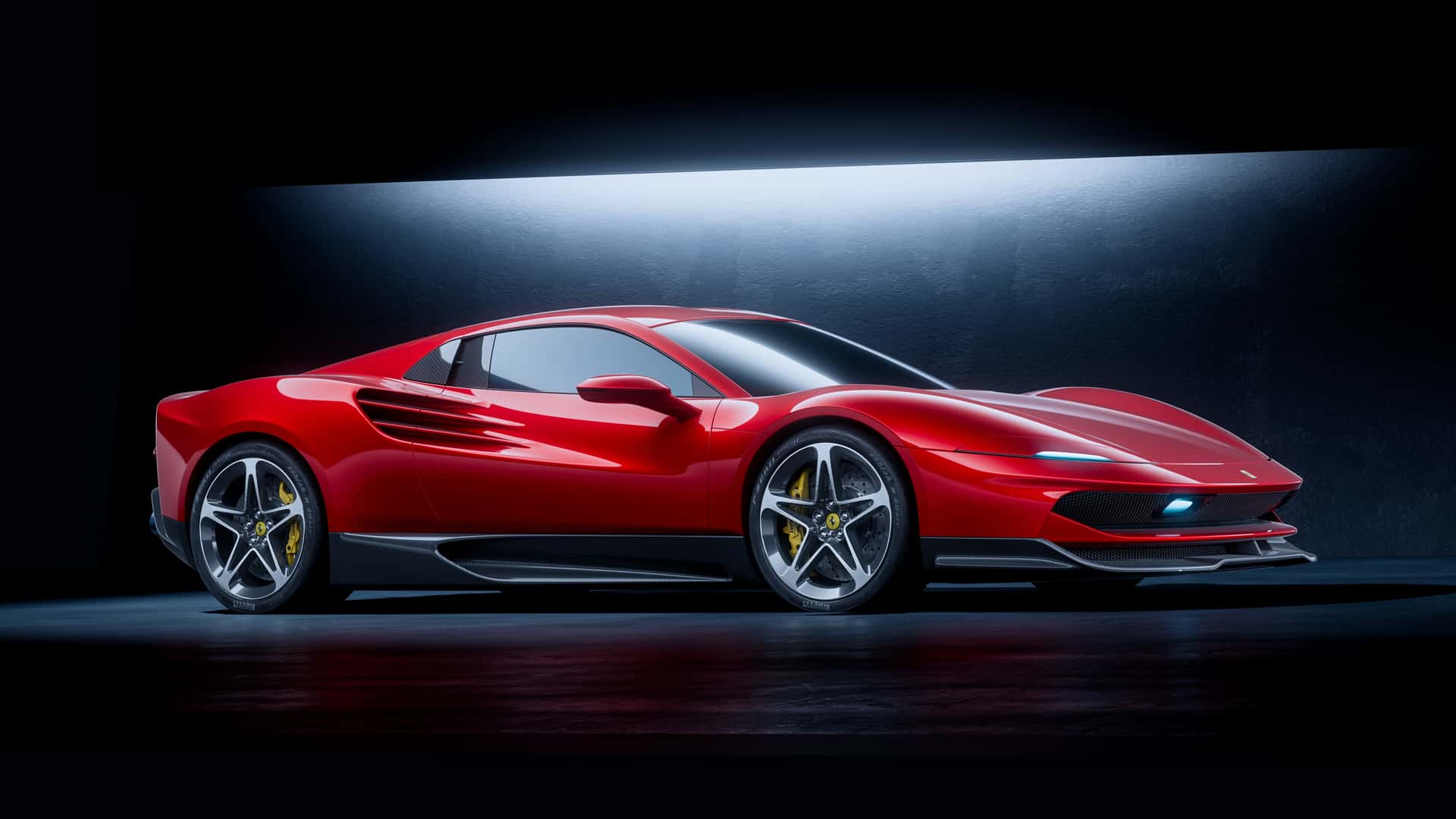
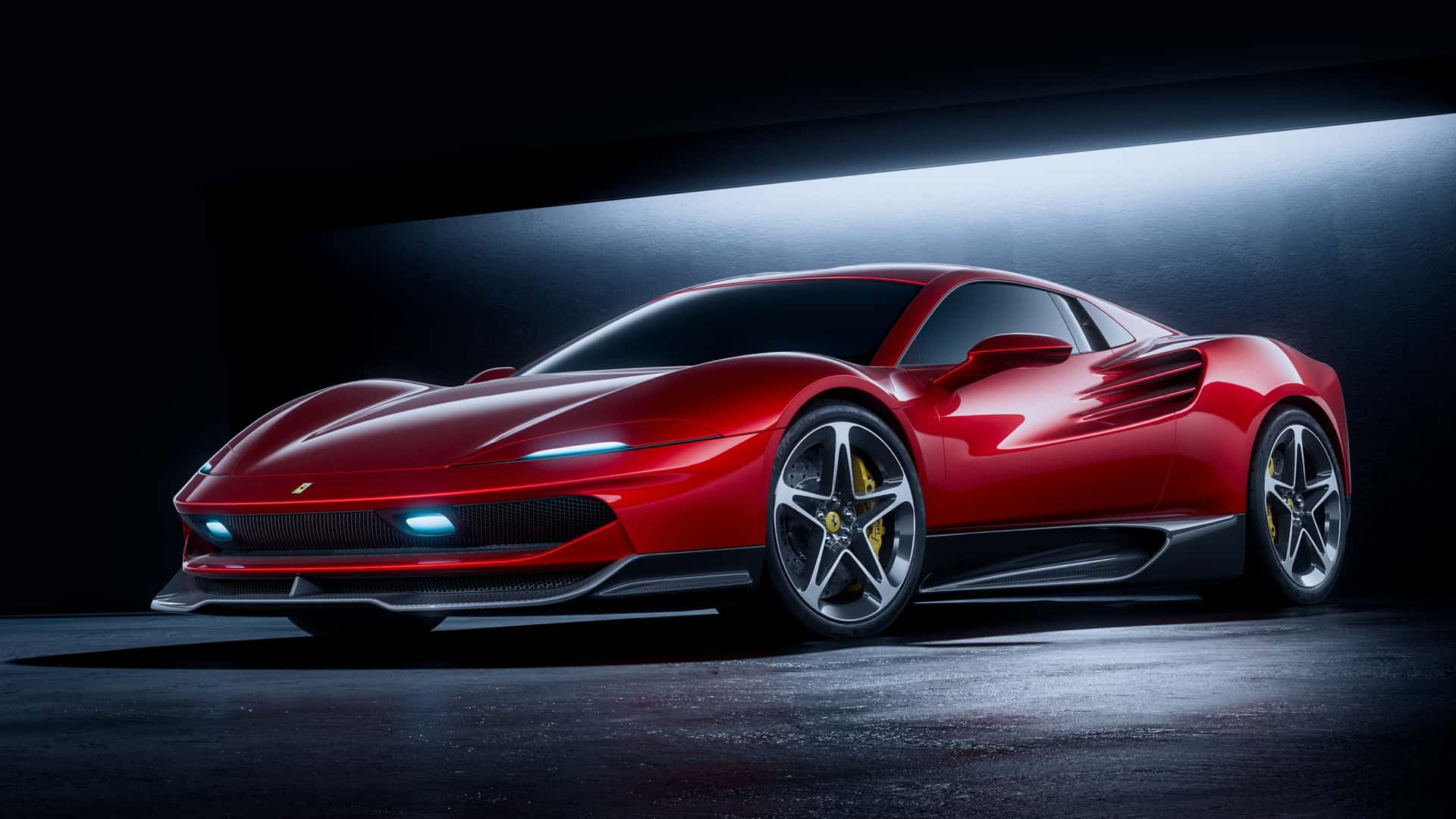
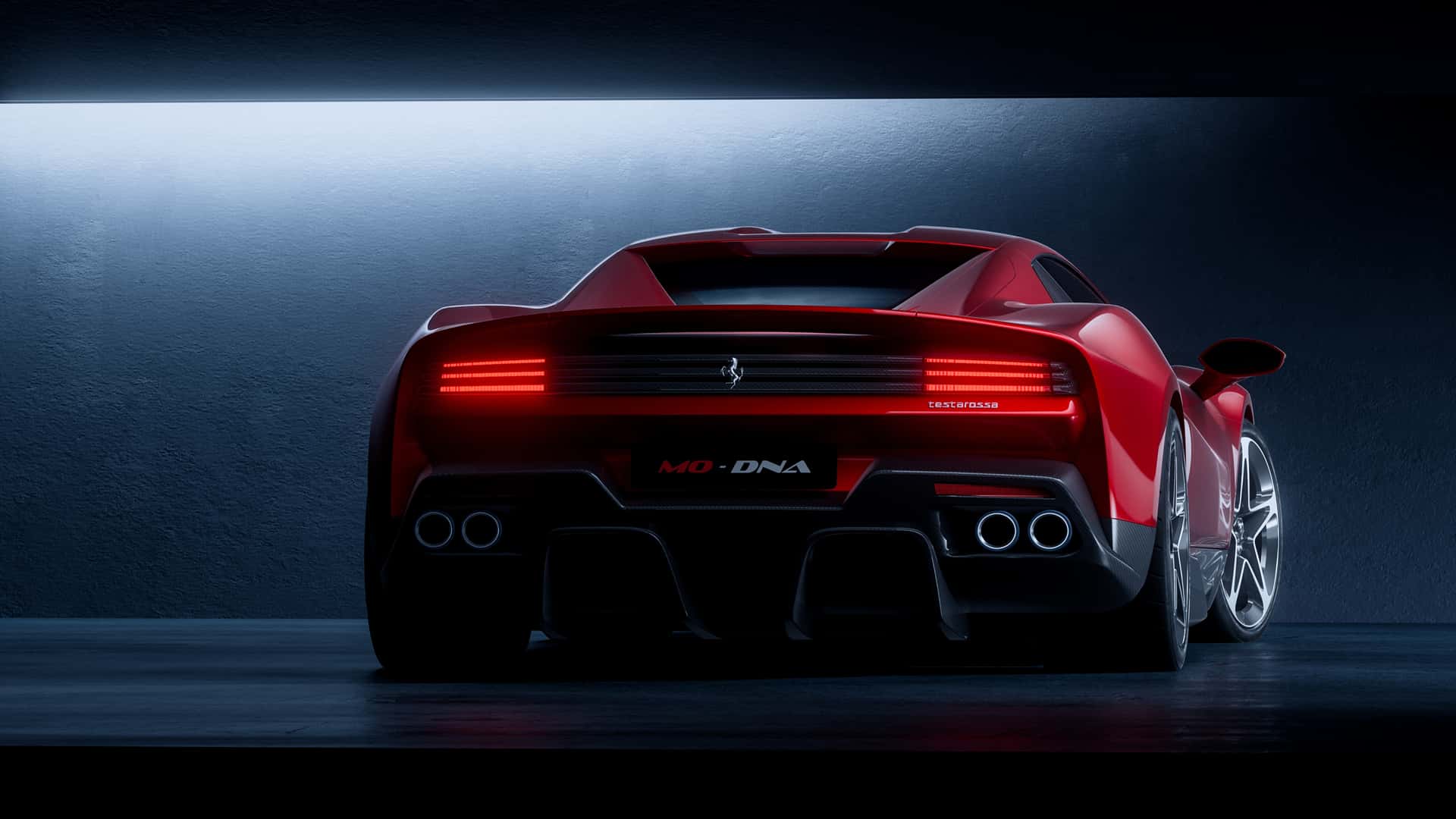
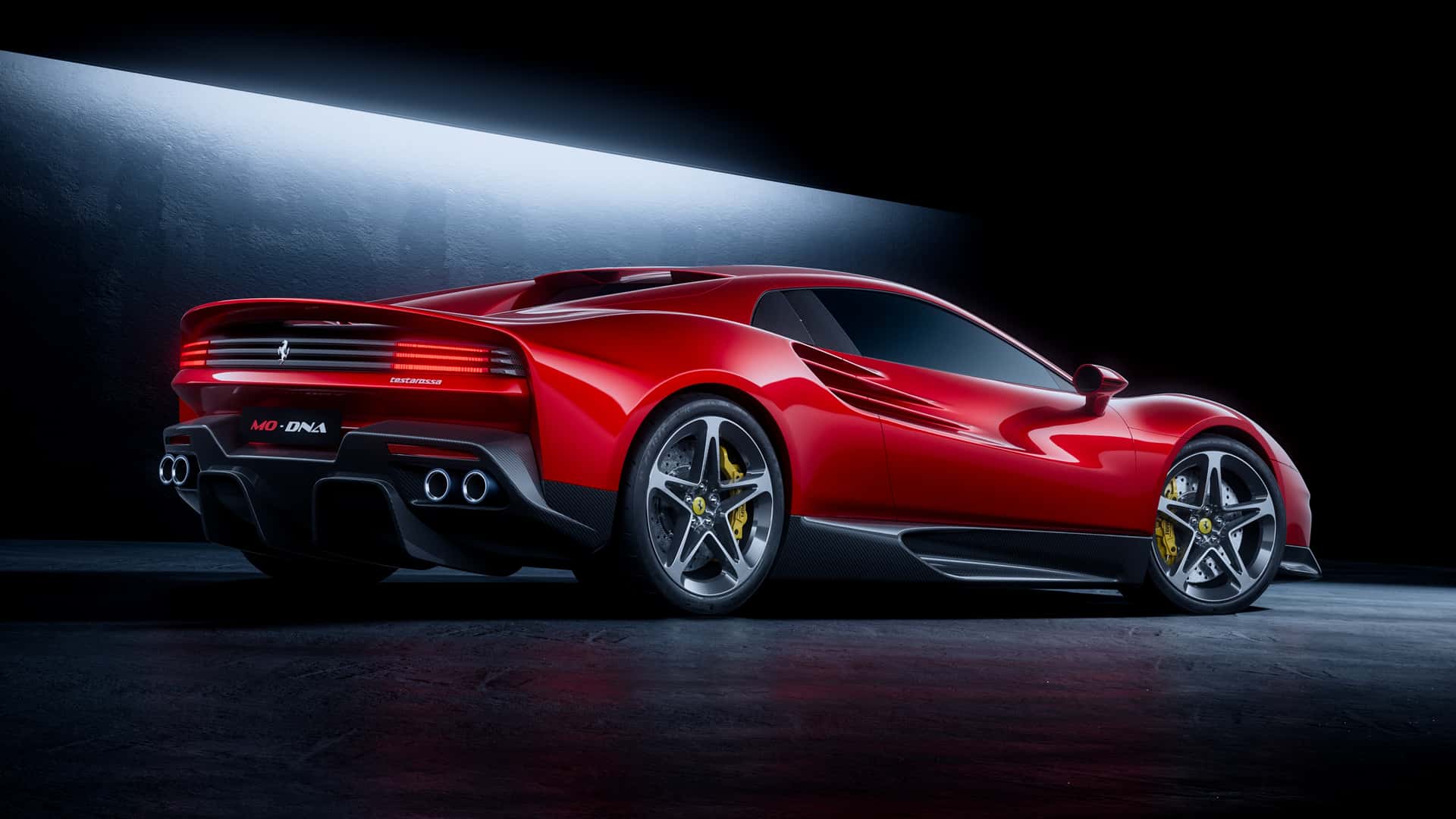
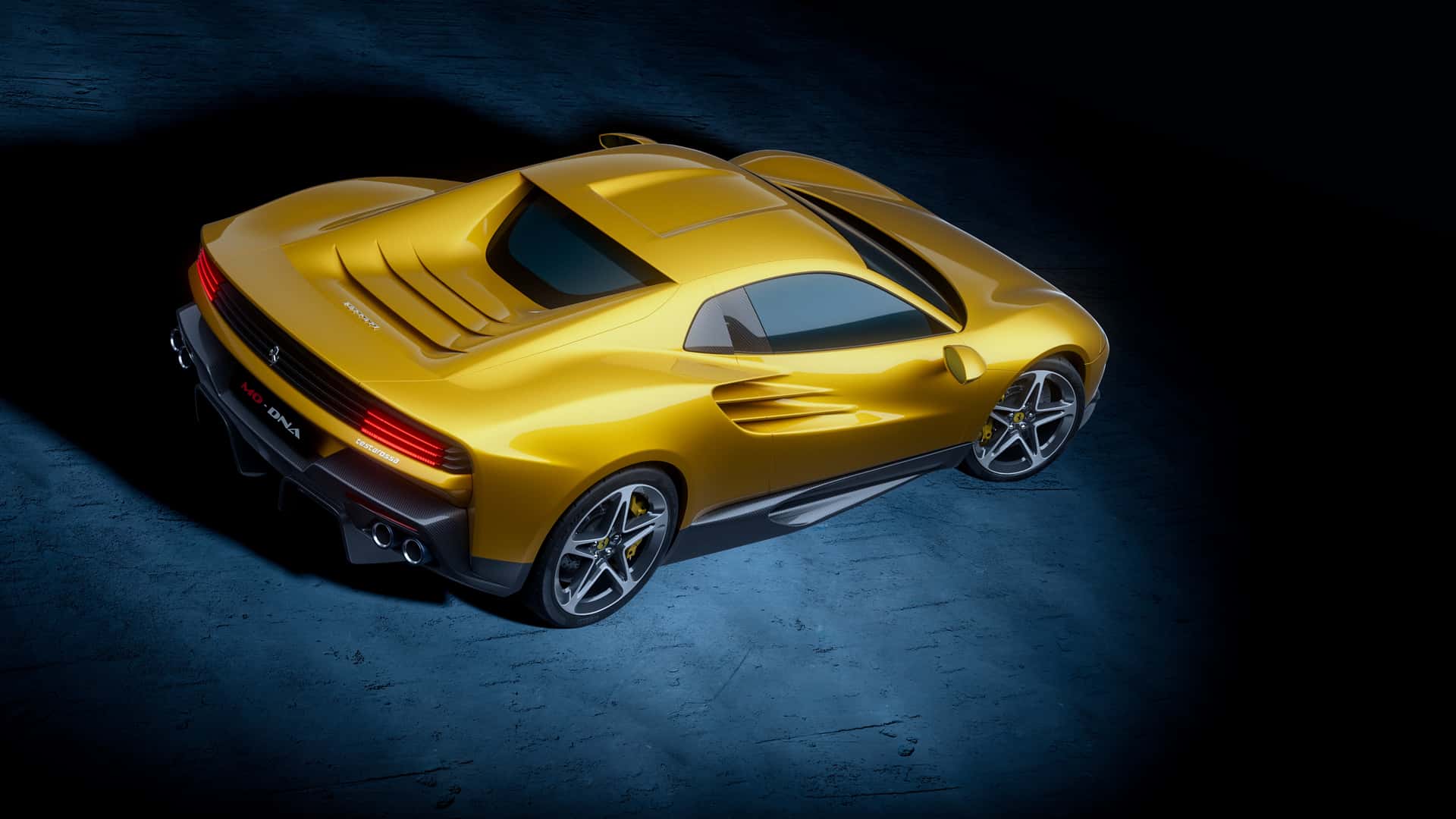
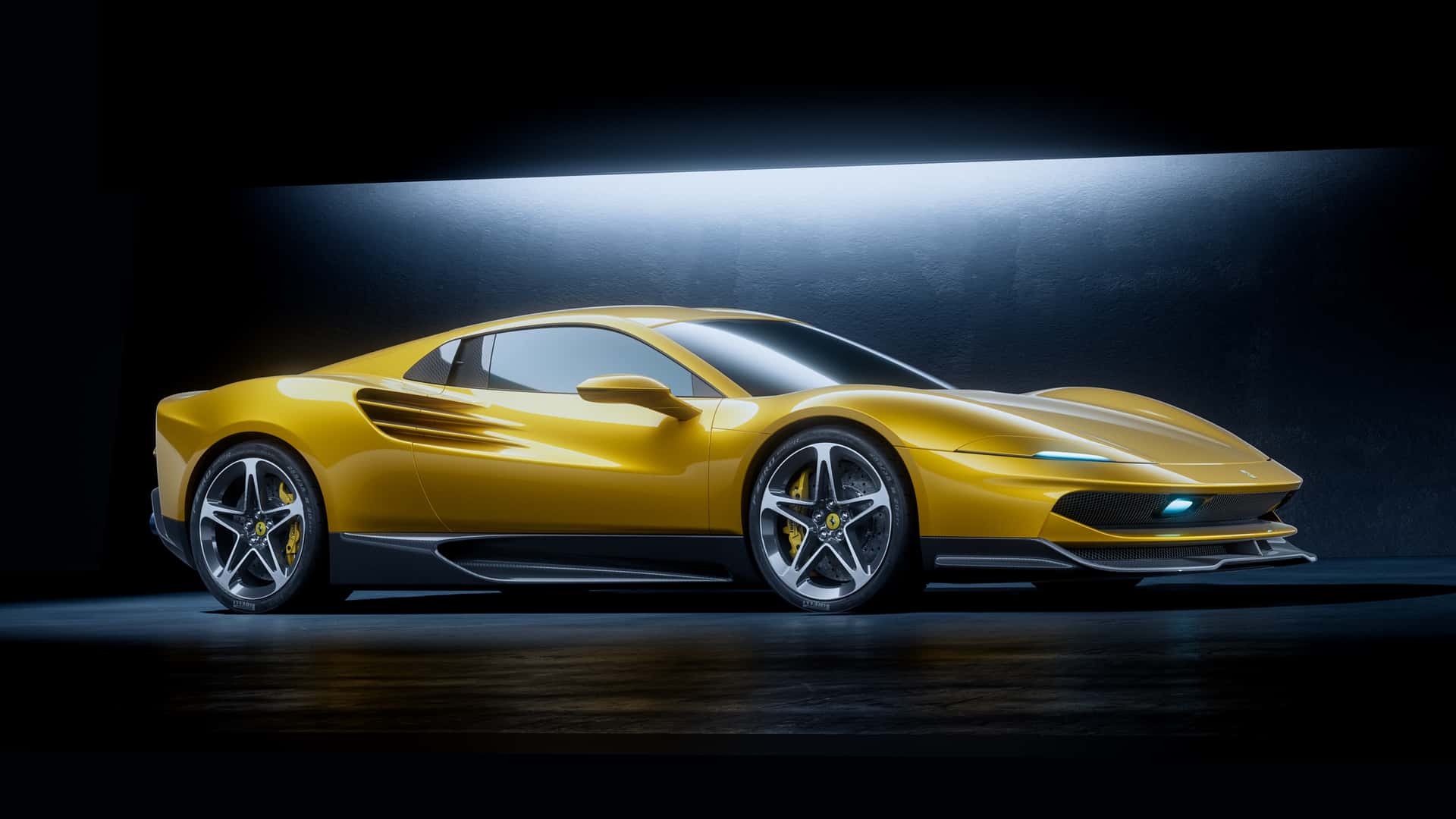
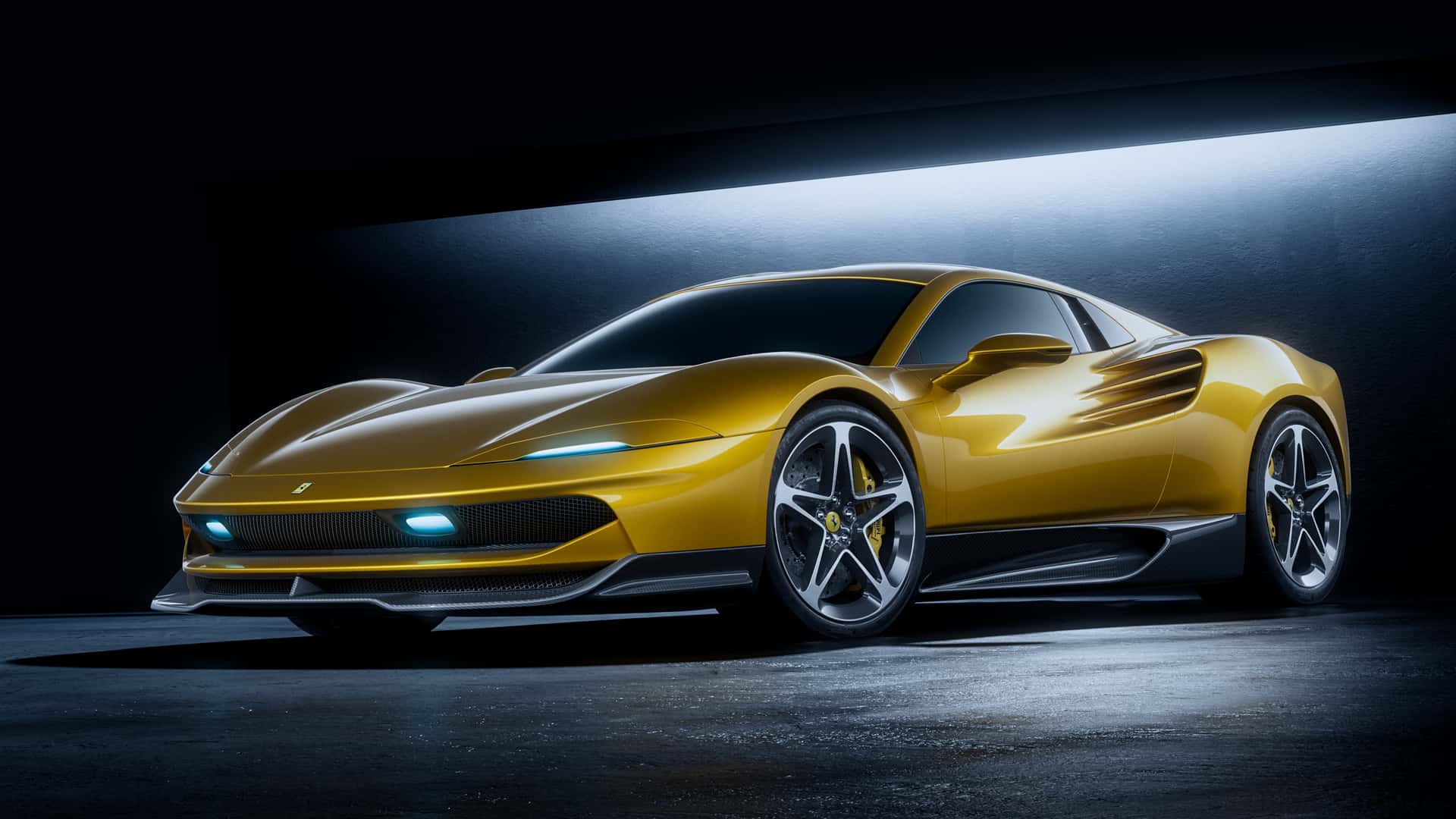
One of the most recognizable Testarossa features—the iconic side strakes—was treated as an essential design element. Instead of a direct visual replica, Serafini reimagined them as functional aerodynamic lamellas that flow into the upper air intake and taper toward the doors. This approach preserves the spirit and visual identity of the original while aligning with modern aerodynamic and packaging requirements. Subtle two-tone paintwork, a sharply sculpted nose, and clean, purposeful surfaces further reinforce the car’s lineage.
The project evolved from early sketches into a detailed 3D model, with Aldo Russo refining the surfaces using professional automotive design software. The final rendering was produced in Blender and presented against a cinematic, 1980s-inspired backdrop, reinforcing the emotional connection to the era that made the Testarossa legendary.
For Serafini, the appeal of Ferrari—and the Testarossa in particular—goes beyond shape and performance. He sees Ferrari design as an attitude, defined by confidence, provocation, and architectural clarity. His concept serves as a reminder of a time when supercars were unafraid to be visually bold, a contrast to many modern designs that prioritize complexity over presence. In that sense, this modern Testarossa concept feels less like nostalgia and more like a design lesson Ferrari itself could revisit.