

Honor appears to be rethinking its tablet strategy amid a broader wave of price increases across the Android ecosystem. Following recent confirmation of higher tablet prices driven by soaring memory and storage costs, new reports suggest that Honor has temporarily halted development of its compact tablet models. This move points to a shift away from smaller form factors, at least for the foreseeable future, as the company adjusts to rising component expenses and changing market priorities.
The situation mirrors developments at Xiaomi, which has already increased prices on multiple tablet lines in China. Industry insiders attribute these changes to sharp increases in DRAM and NAND flash prices, largely fueled by heavy demand from AI data centers that has tightened supply for consumer electronics. As manufacturers struggle to absorb these higher costs, price hikes are now making their way to retail products.
Honor’s decision became clearer after the company teased the upcoming Pad X10 Pro on Weibo. When users inquired about the arrival of a new compact tablet, an official response simply stated that such plans were “on hold,” without additional clarification. The Pad X10 Pro itself embraces a larger format, featuring an approximately 11-inch display with stylus support, signaling Honor’s focus on mid-size and large tablets rather than compact alternatives.
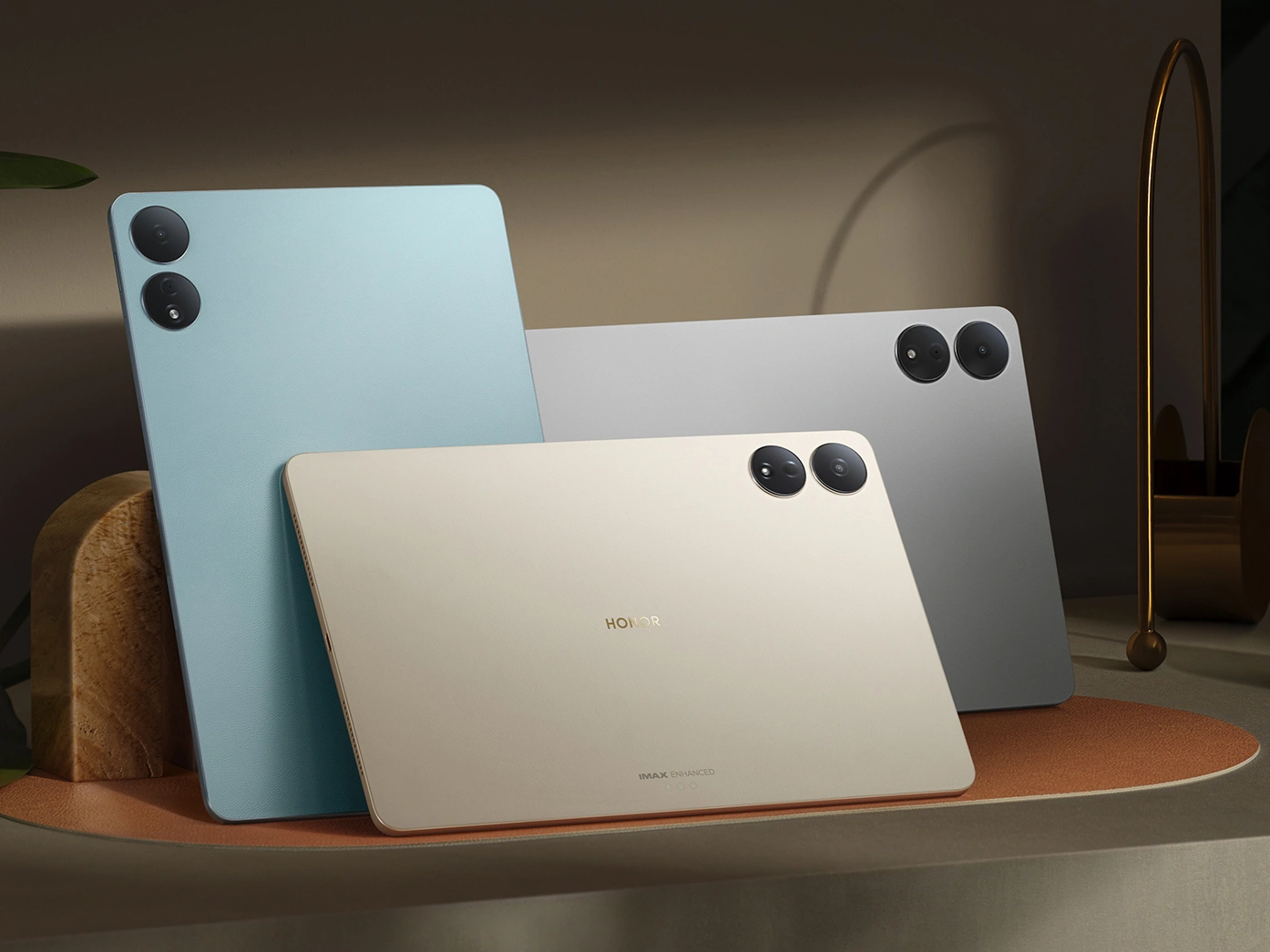
The Pad X10 Pro is expected to launch in China on January 5 and will reportedly debut alongside the Honor Power 2, a smartphone rumored to feature a massive 10,080mAh battery in an impressively slim body. Early images of the tablet reveal a clean, minimalist design with noticeable bezels, a single rear camera, and a front-facing camera positioned on the side bezel, optimized for landscape use.
Meanwhile, Xiaomi has already raised tablet prices in its domestic market, increasing costs by 100 to 200 yuan across products like the Pad 8 series and the Redmi Pad 2 lineup. Honor has confirmed that similar adjustments are coming to its own tablet portfolio, acknowledging that it can no longer offset rising memory and storage expenses internally. Analysts warn that this pressure is unlikely to ease soon, suggesting further price hikes or hardware compromises across the industry.
With the tablet market still offering a wide range of options from Apple, Samsung, and Chinese manufacturers, consumers may want to consider buying sooner rather than later. As component shortages persist, today’s prices—especially outside China—may not last much longer.