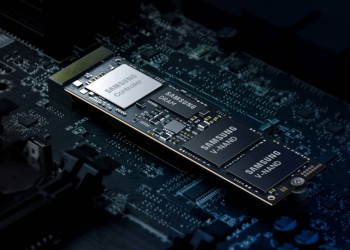

Samsung is introducing its latest mobile processor, the Exynos 2600, in a clear effort to address criticism that has followed previous chips and boost performance in upcoming Galaxy S26 phones. Built on an advanced 2‑nanometer process, this new chip marks a major shift in how Samsung approaches its flagship silicon, emphasizing improvements in speed, energy efficiency, artificial intelligence, and heat management compared with older Exynos models.
At the heart of the Exynos 2600 is a redesigned CPU structure that promises noticeably better performance than its predecessor. The architecture mixes high‑performance and efficiency‑oriented cores to balance power and battery life, and Samsung says users can expect a substantial speed increase across everyday tasks and more demanding workloads. Graphics performance also gets a significant bump thanks to a new GPU that delivers smoother visuals and better ray tracing for mobile gaming. AI is another major focus, with a more powerful neural processing unit that allows for larger and more complex on‑device tasks without relying as heavily on cloud computing.
Camera capabilities get a boost with an upgraded image processor that supports very high megapixel sensors and advanced video recording options. This could translate to clearer photos and smoother high‑resolution video capture in future Galaxy models. To tackle a long‑running complaint about Exynos chips overheating and throttling under heavy use, Samsung has implemented a new heat management solution designed to disperse internal temperatures more effectively. This should help maintain performance during extended gaming sessions or prolonged use of demanding features.
The Exynos 2600 also supports modern memory and storage standards, enabling faster data access and improved overall system responsiveness. Samsung’s approach here reflects lessons from the past, where users sometimes favored competing chips for their efficiency and consistency. With this generation, the company is aiming to close that gap and offer an experience more in line with what consumers expect from a top‑tier flagship processor.
While Samsung has not detailed exactly which Galaxy S26 variants will use this chip, indications are that it will power at least some models in the lineup, particularly in regions where the company has traditionally offered its own silicon. Whether this strategy will be embraced worldwide remains to be seen, but the Exynos 2600 represents a significant technical step for Samsung’s in‑house chip ambitions.