
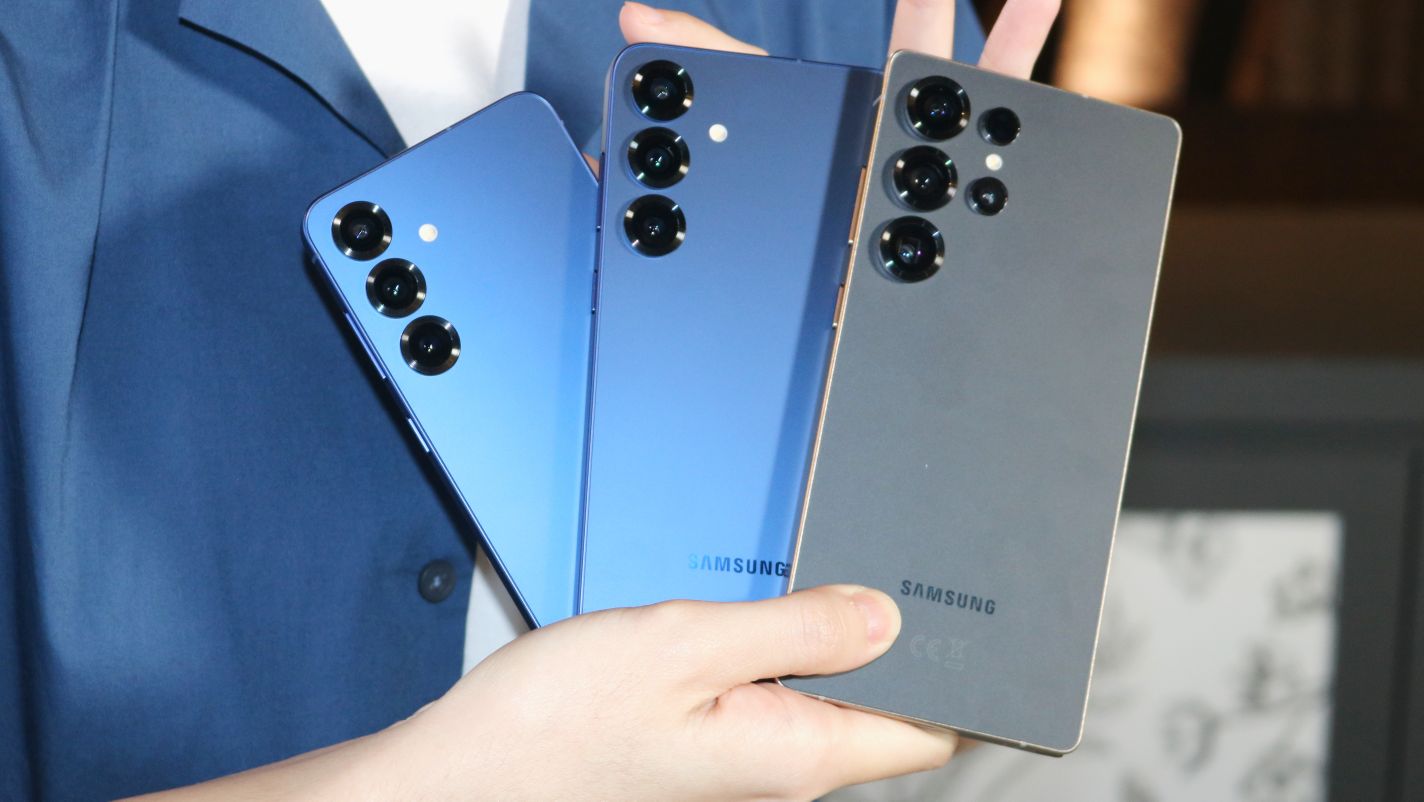

Samsung may be preparing buyers for higher prices on its upcoming Galaxy A-series smartphones, signaling a shift in strategy for its popular midrange lineup. The Galaxy A series has long been positioned as a value-focused alternative to flagship models, but rising production costs and evolving hardware expectations appear to be putting pressure on that pricing model.
One of the main drivers behind the potential price increase is the growing cost of components. Samsung is reportedly planning to introduce improved displays, more capable cameras, and longer software support across future A-series devices. While these upgrades help close the gap between midrange phones and premium models, they also increase manufacturing expenses, making it harder to maintain previous price points.
Another factor is Samsung’s broader market positioning. As competition intensifies in the midrange segment, especially from Chinese manufacturers offering aggressive specs, Samsung seems to be focusing more on build quality, reliability, and long-term updates rather than racing solely on hardware numbers. That approach can justify higher prices but may also test customer loyalty in price-sensitive markets.
Economic conditions are also playing a role. Currency fluctuations, global inflation, and supply chain adjustments continue to impact electronics pricing worldwide. Even brands that aim to keep costs stable have struggled to fully absorb these pressures, often passing at least part of the increase on to consumers.
If prices do rise, Samsung is expected to offset the impact by offering clearer distinctions between Galaxy A models and its flagship Galaxy S lineup. That could include features previously reserved for higher-end phones, such as better OLED panels, faster charging, or improved durability, making the higher cost feel more reasonable for buyers.
For consumers, this potential shift means upcoming Galaxy A devices may offer better overall value in terms of experience, but not necessarily lower prices. Buyers looking for affordable Samsung phones may need to weigh whether the added features justify the extra cost or consider older models that remain on the market.
While Samsung has not officially confirmed pricing changes yet, the trend suggests that the era of ultra-cheap midrange smartphones from major brands may be slowly coming to an end, replaced by a focus on longevity, refinement, and software support.