

Toyota has unveiled its newest performance flagship, the GR GT—an ultra-low, ultra-rigid, and surprisingly lightweight sports car that the company boldly describes as a “road-legal race car.” Following icons like the 2000GT and the Lexus LFA, Gazoo Racing’s latest creation focuses on three engineering pillars: a dramatically lowered center of gravity, aggressive weight reduction, and a chassis designed to extract maximum aerodynamic efficiency.
At the heart of the GR GT is a brand-new twin-turbocharged V8 paired with an integrated electric motor inside the transaxle. Toyota’s early performance targets are already impressive, aiming for at least 640 horsepower and 627 pound-feet of torque sent to the rear wheels through a newly developed eight-speed automatic transmission. The company notes that these numbers represent minimum goals for the prototype, hinting that production models may produce even more power.
What truly sets the GR GT apart is its construction. It becomes Toyota’s first vehicle to use a full aluminum frame, complemented by panels made from carbon-fiber-reinforced plastic and aluminum. This engineering approach not only keeps weight in check but also enhances responsiveness, handling sharpness, and aerodynamic effectiveness. Toyota has set a curb-weight target of 3,858 pounds or less—a remarkable figure considering its output. For context, it outweighs the Porsche 911 GTS slightly but promises at least 110 additional horsepower. It also stacks up competitively against the Chevrolet Corvette E-Ray, a hybrid rival that is marginally heavier and offers similar output.
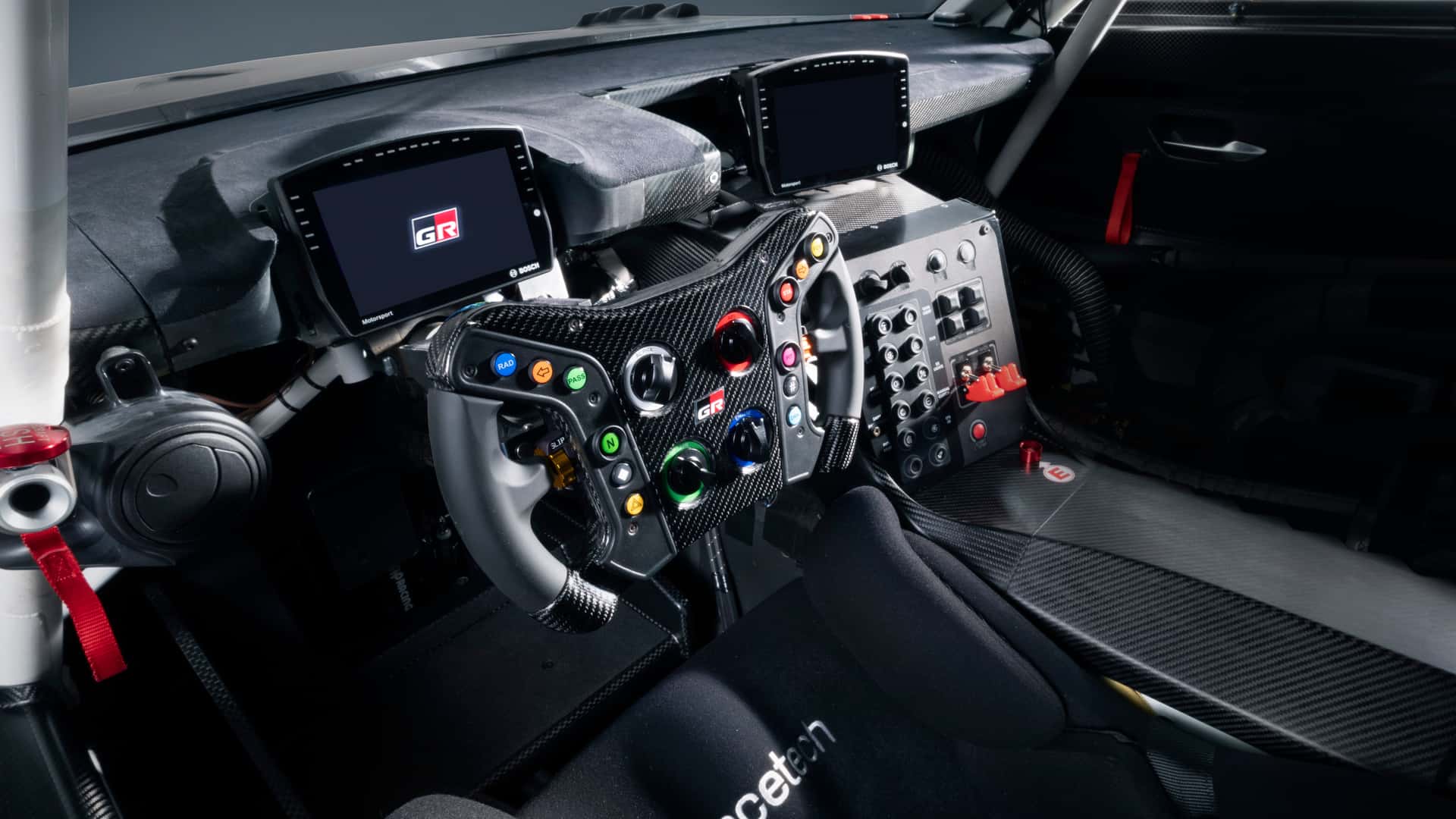
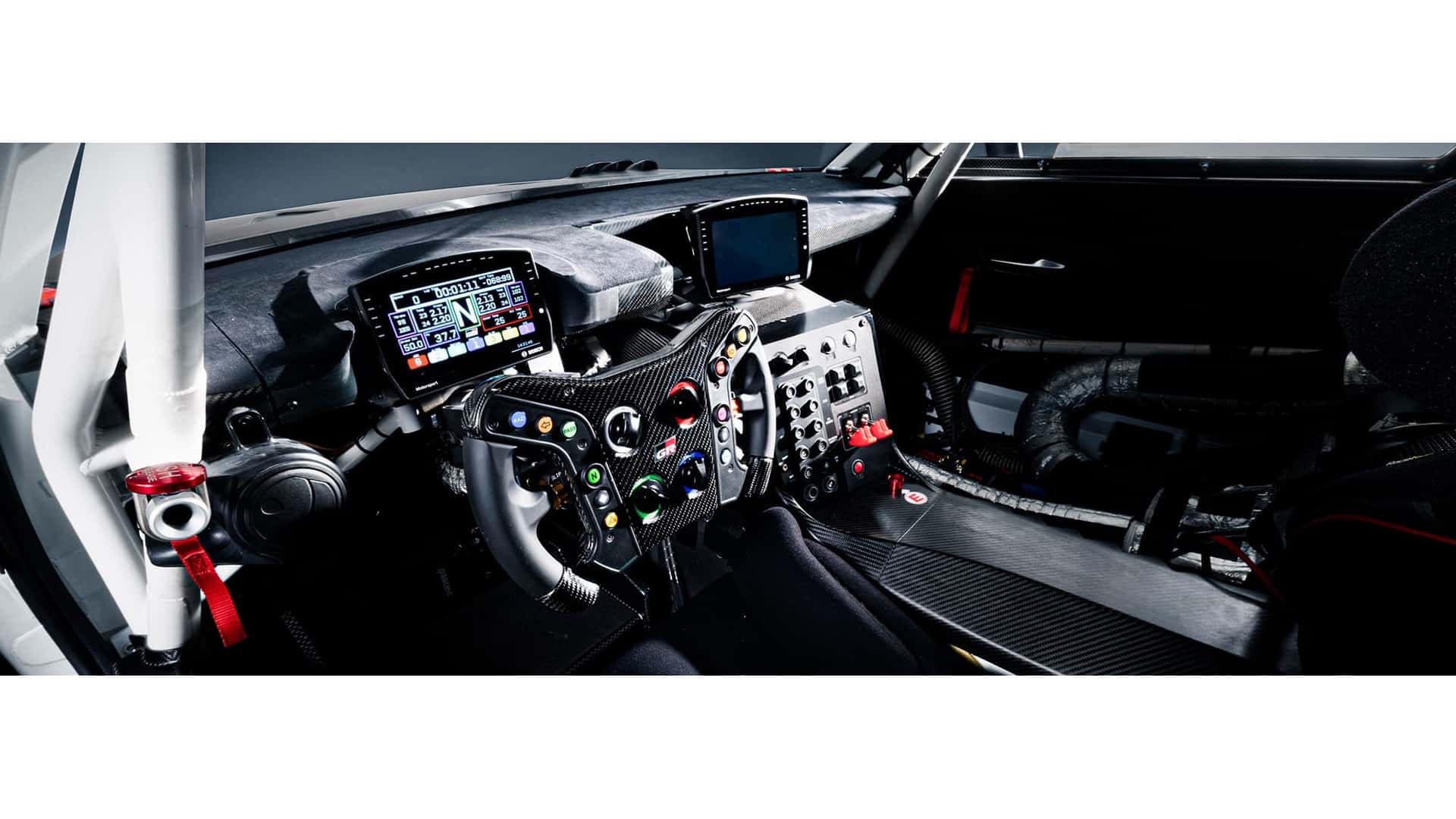
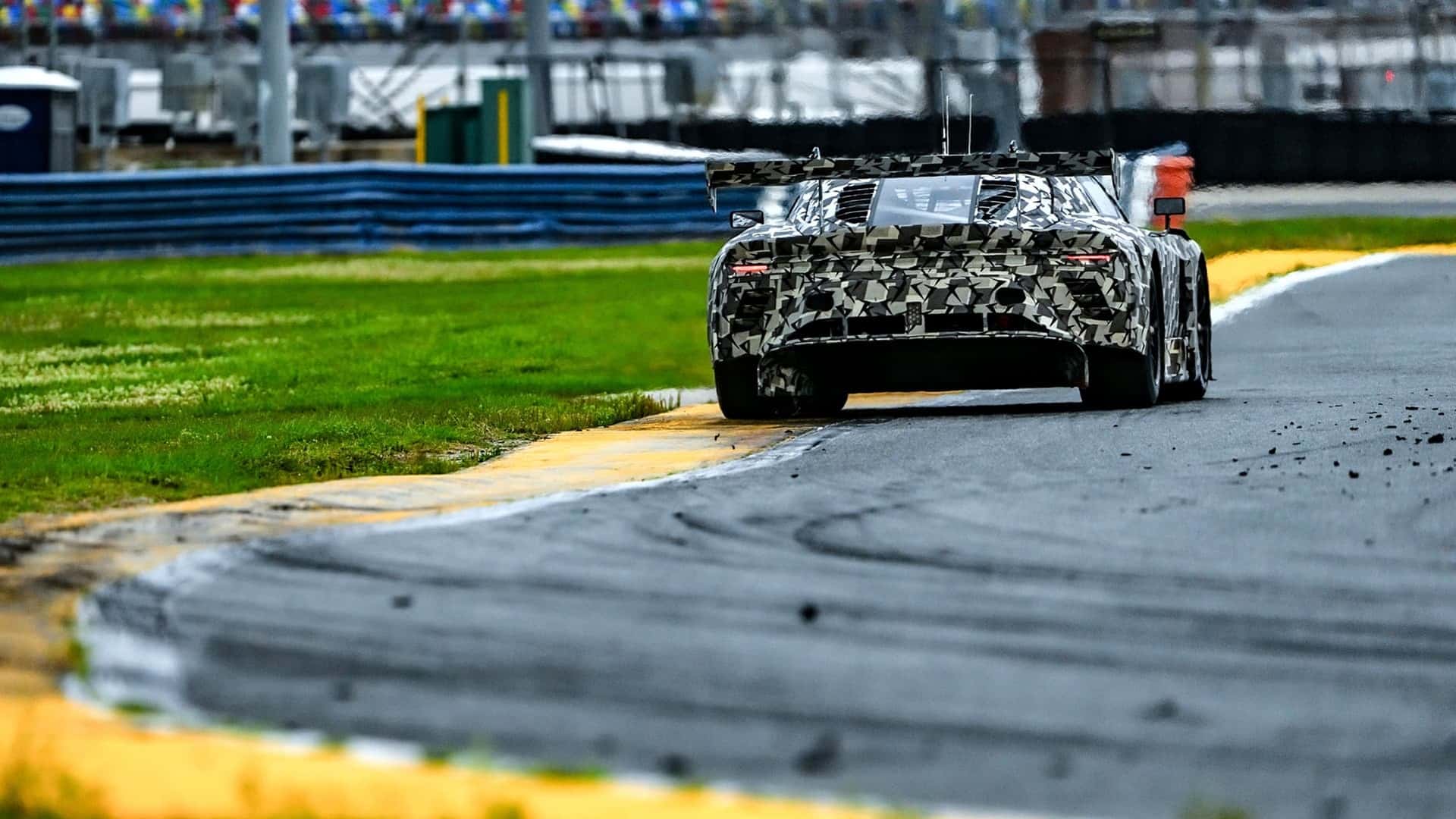
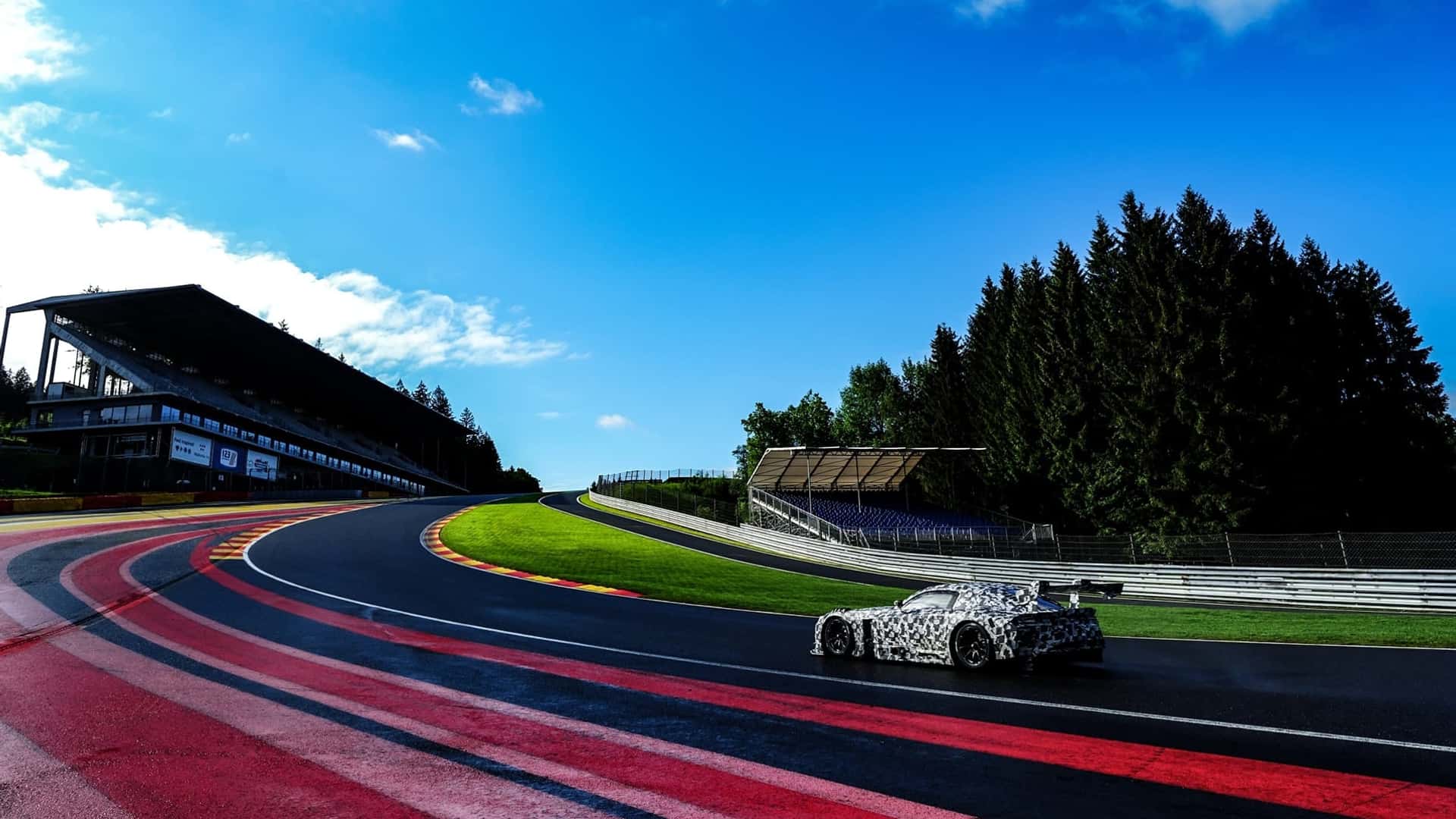
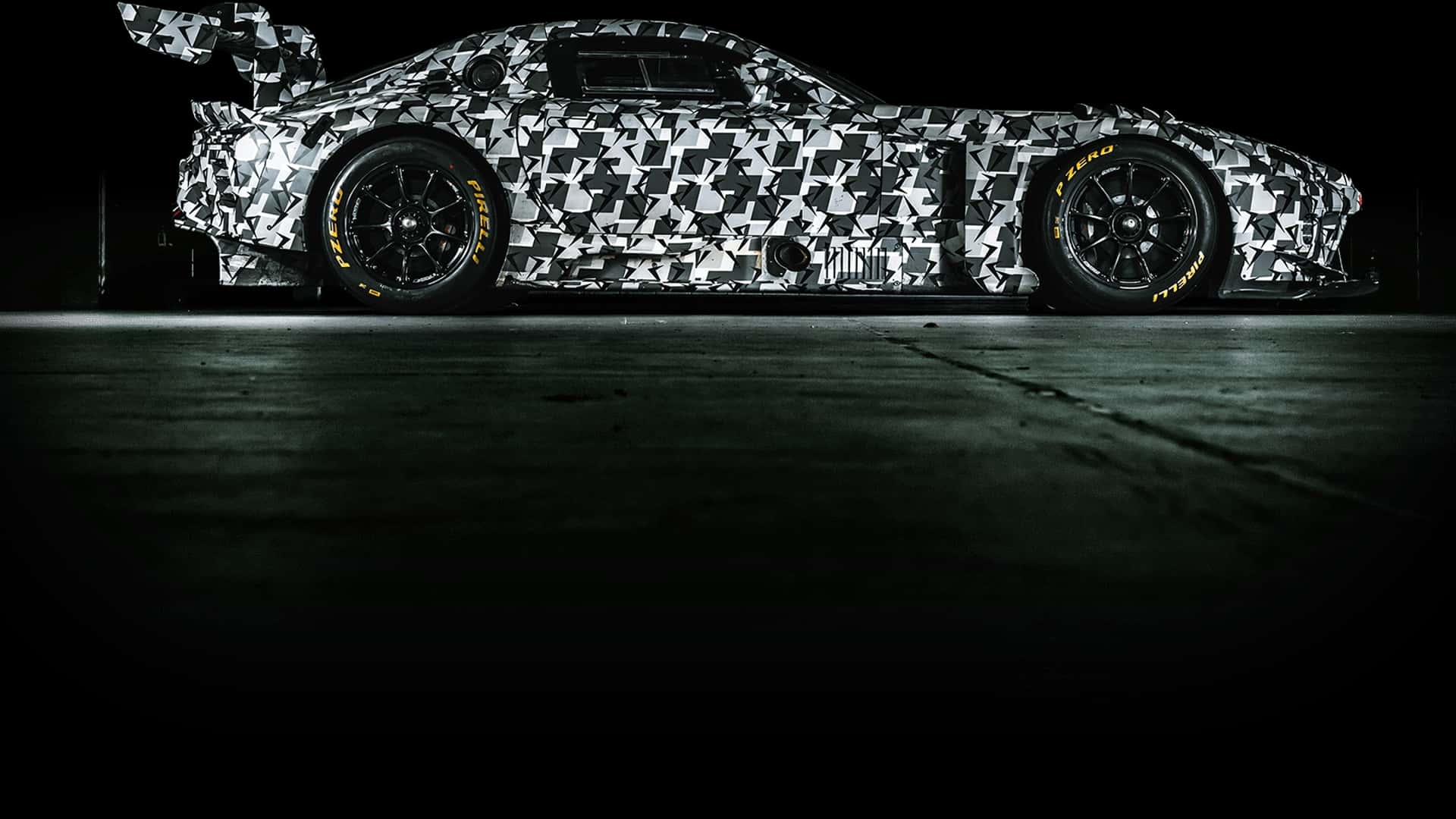
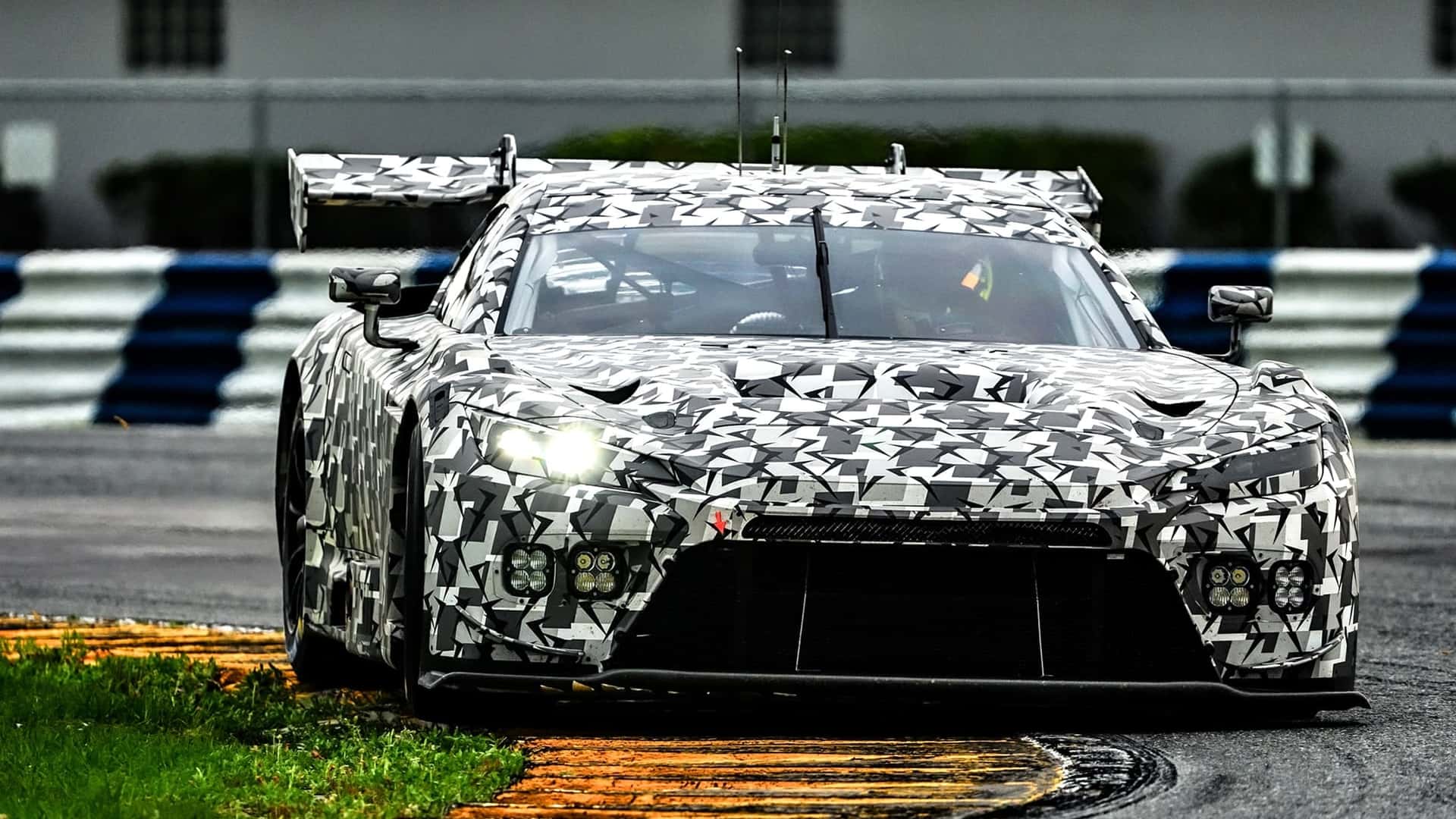
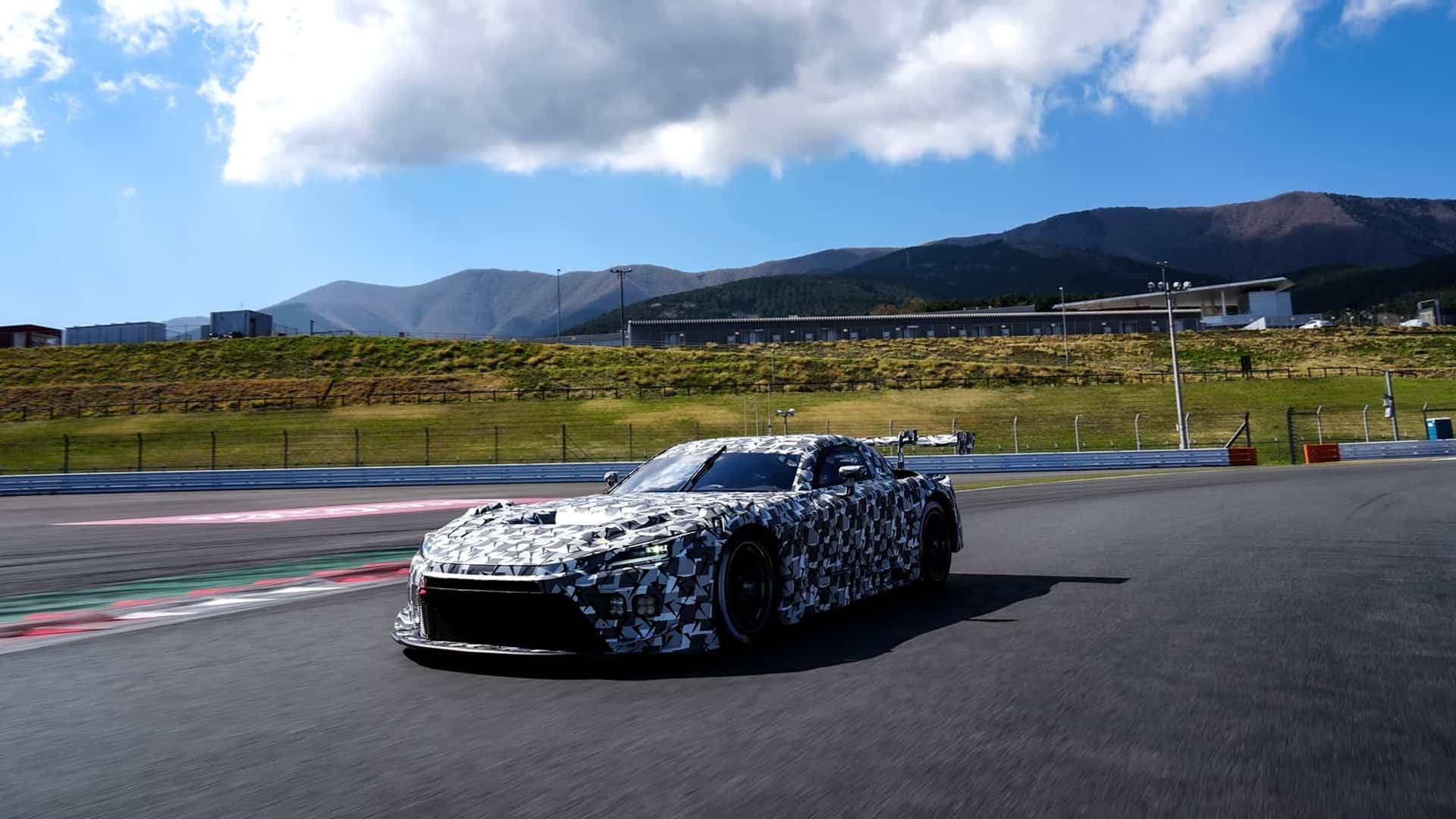
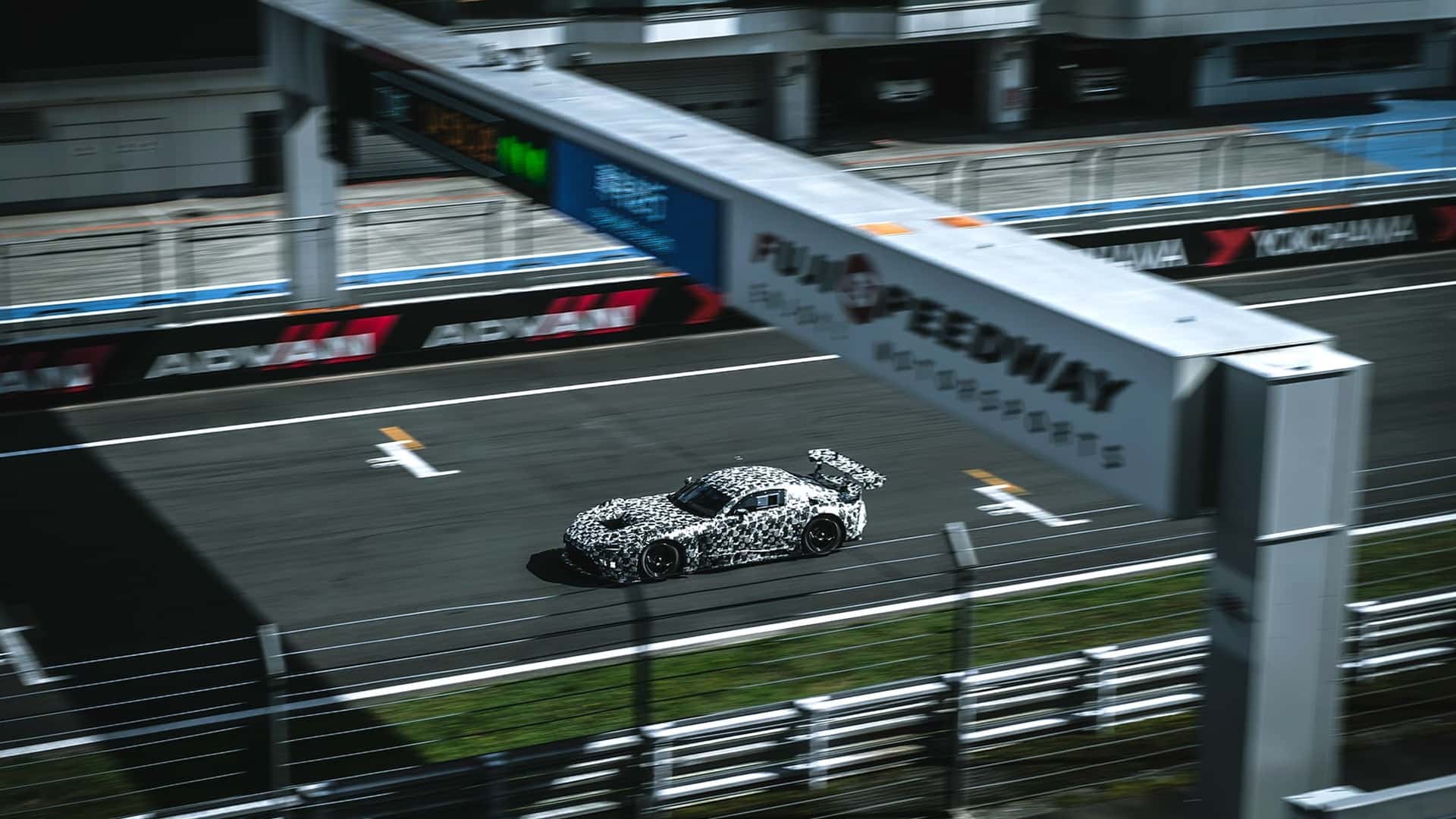
The hardware backing the GR GT’s performance ambitions extends even further. Massive carbon-ceramic brakes help manage speed, while 20-inch wheels wrapped in Michelin Pilot Sport Cup 2 tires—including 325-section rears—keep the car planted. The roofline sits at just 47 inches tall, giving the car a menacing stance even compared to established performance icons like the 911 GTS and the E-Ray. The quad-exit exhaust, side vents, and race-car-inspired aero add to its dramatic presence, with certain elements appearing lifted straight from a GT3 machine.
Inside, the GR GT feels more like a precision instrument than a traditional Toyota. Carbon-backed Recaro seats, a driver-centric cockpit, and the absence of Toyota branding emphasize its Gazoo Racing identity. The cabin leans toward Lexus-level refinement while still maintaining a motorsport-focused personality.
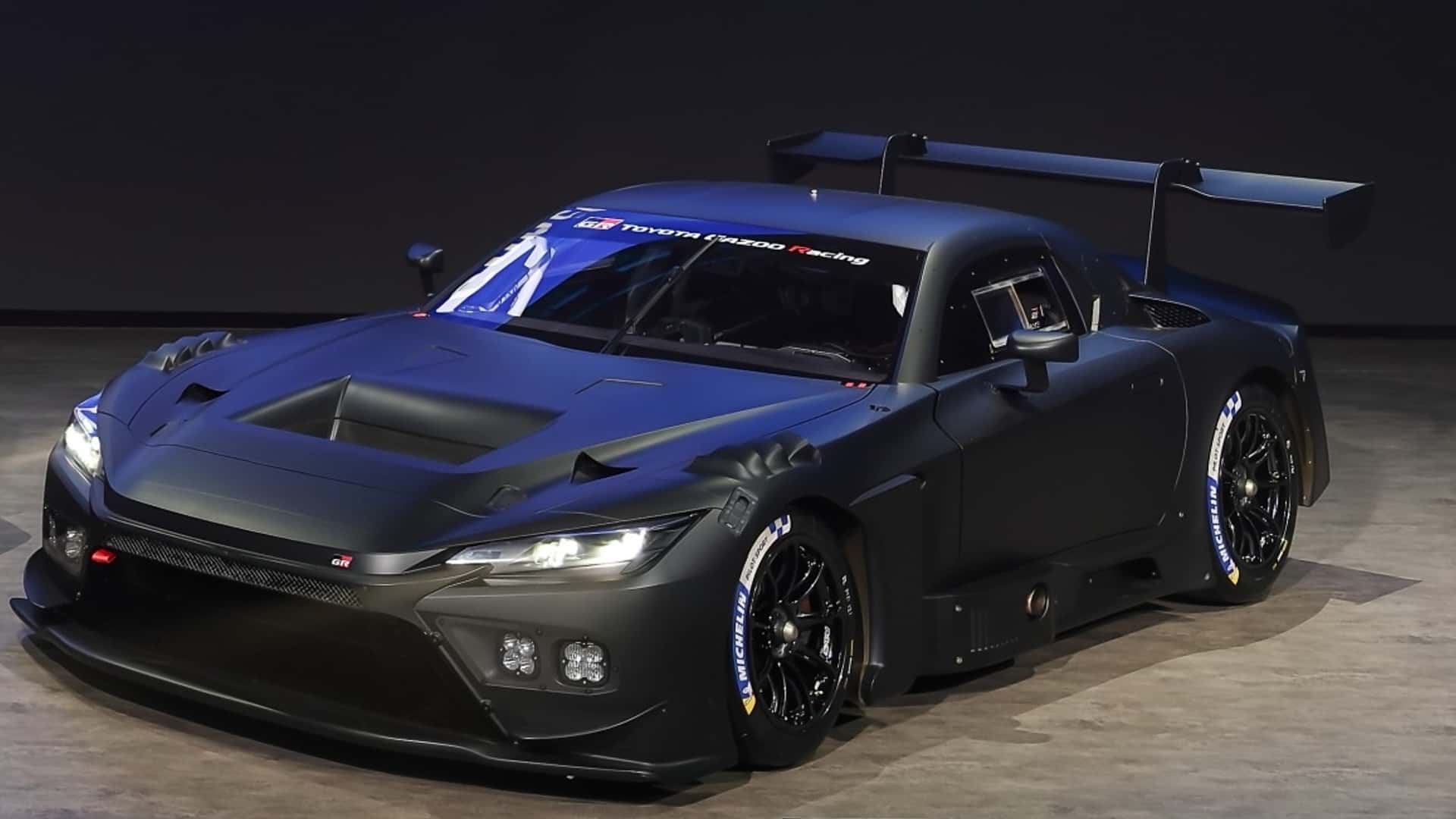
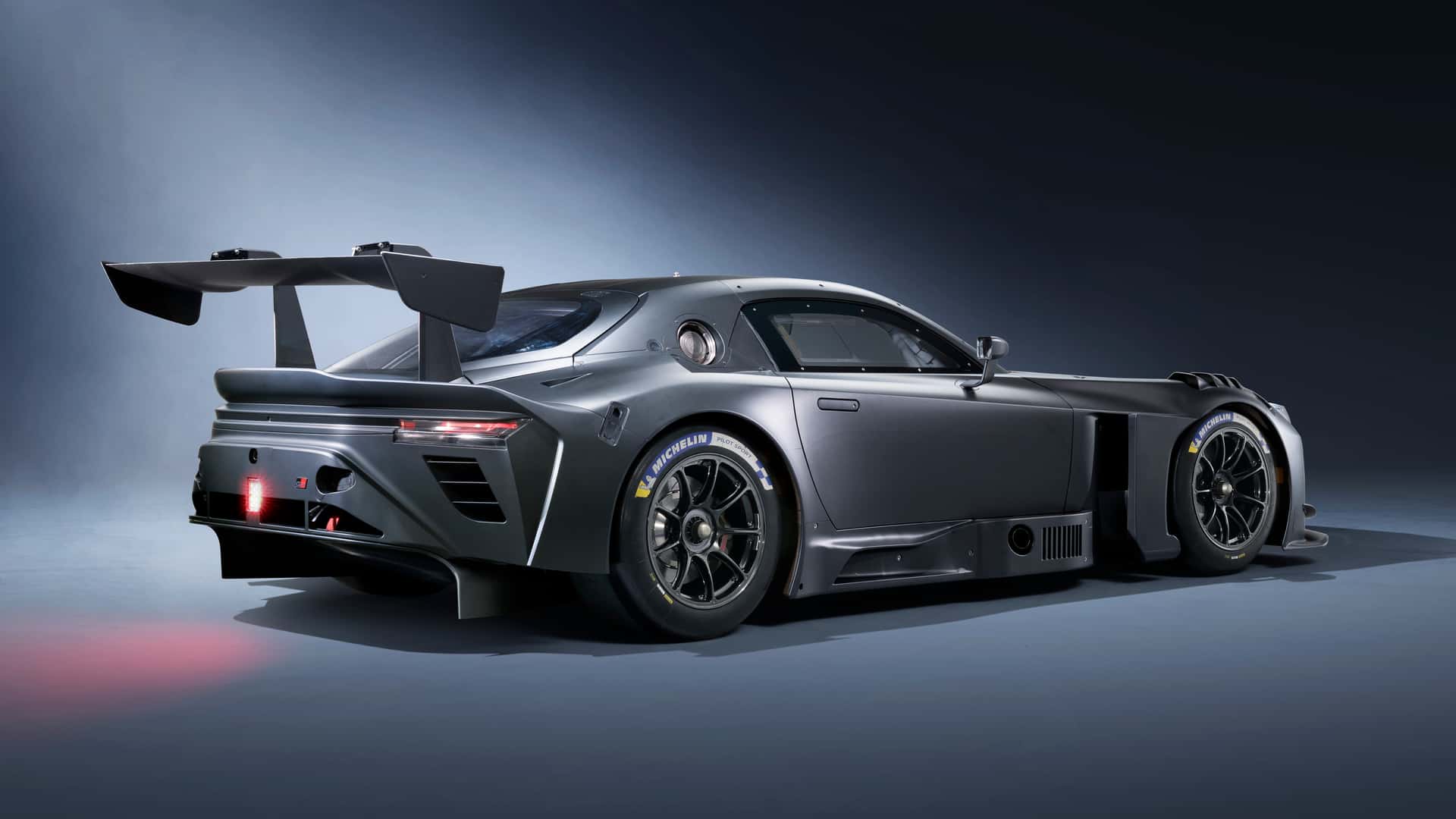
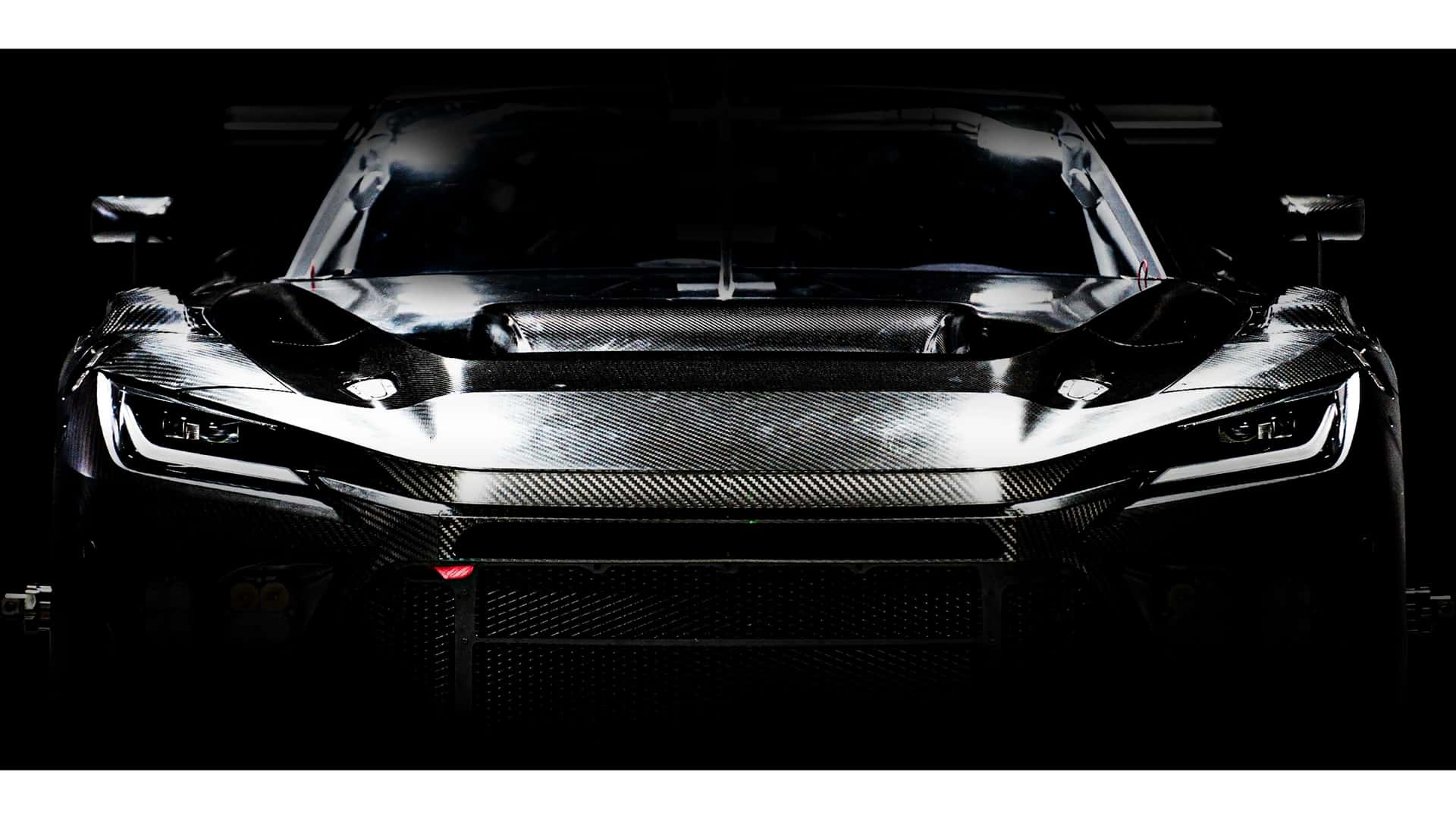
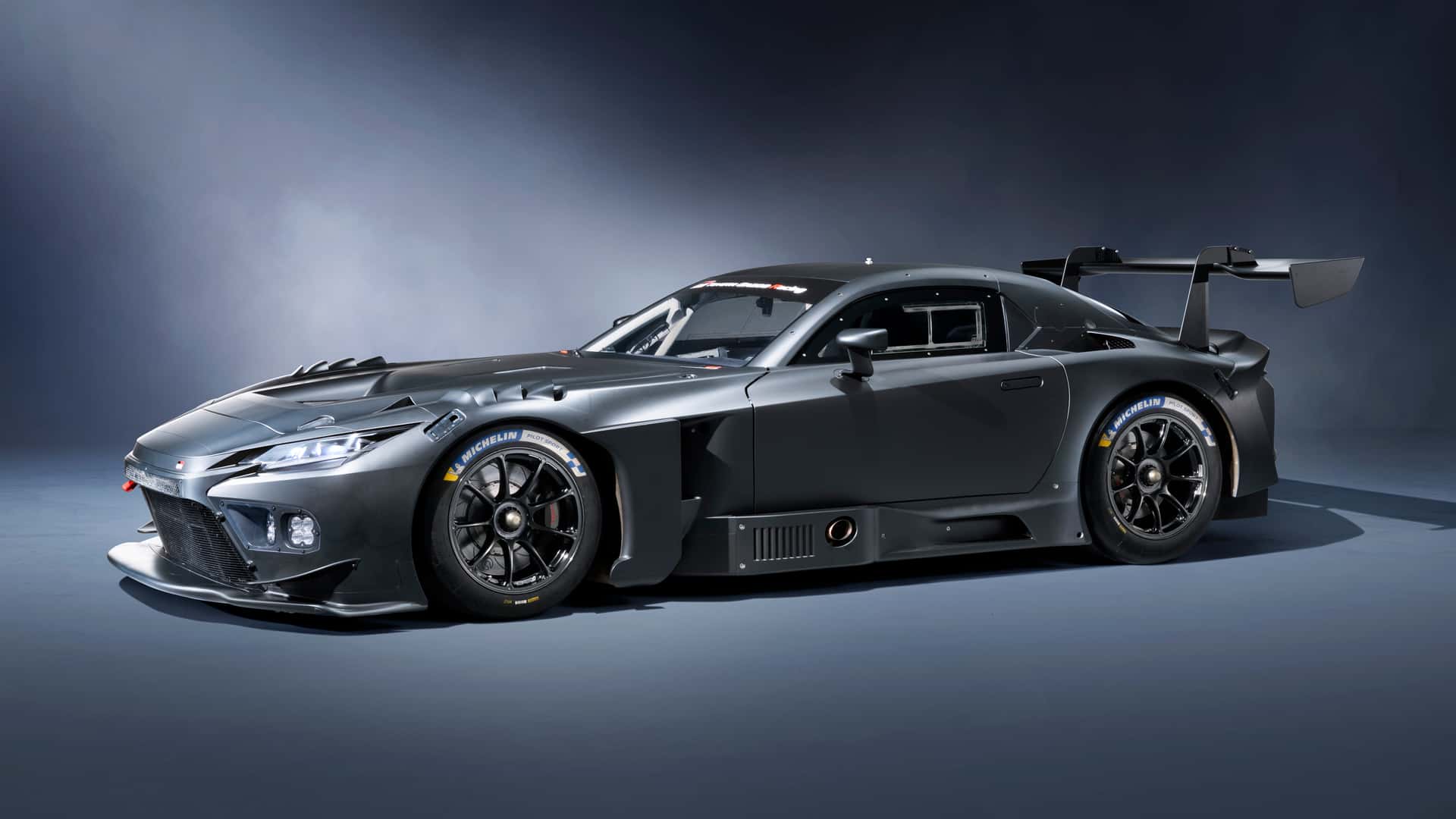
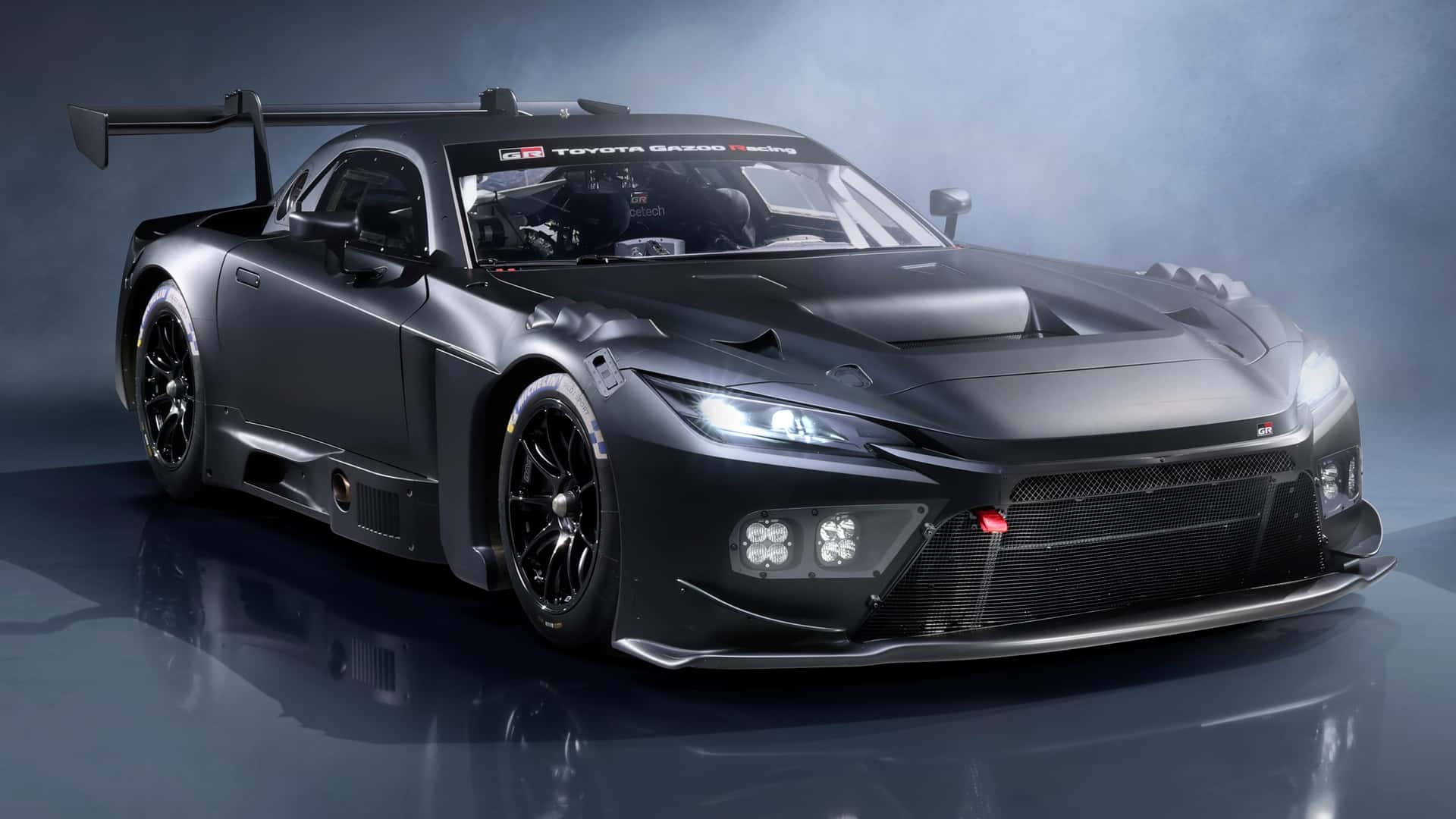
There’s good reason for the race-car resemblance: the GR GT was developed alongside the GT3 competition version, and the two share key suspension elements as well as the twin-turbo V8 architecture. The result is a car that looks every bit the part of Toyota’s new halo performance machine. With its aggressive styling, low-slung proportions, and promises of thunderous V8 character, the GR GT stands as one of Toyota’s most exciting sports-car announcements in decades.