
Volkswagen is officially reversing one of its most criticized design decisions of recent years by reintroducing physical buttons into its interiors. After persistent customer complaints about overly complicated touchscreen-based systems, the German automaker is shifting back toward a more intuitive, driver-friendly layout. The 2026 Volkswagen ID. Polo is the first model to showcase this renewed philosophy.
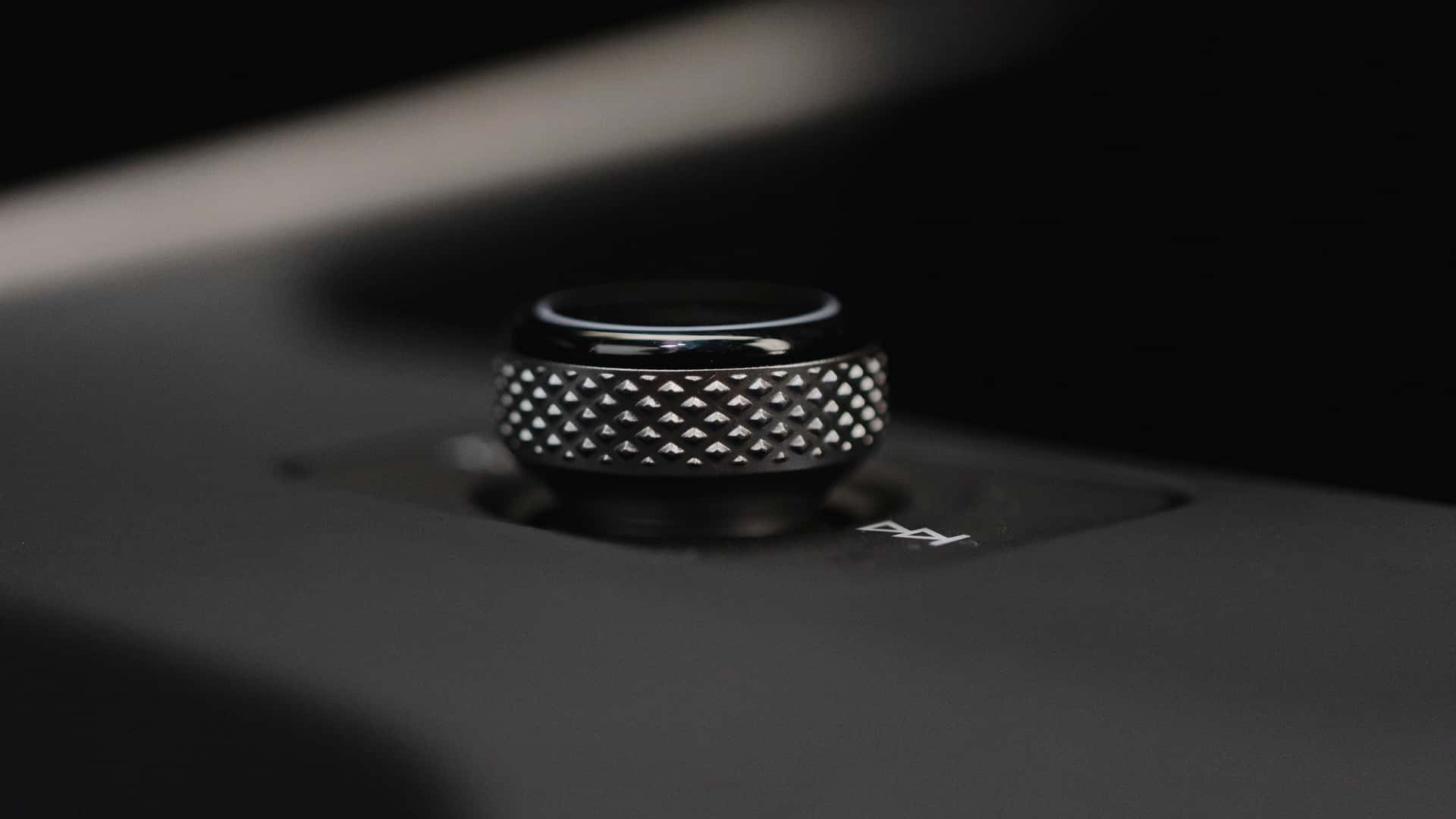
At the heart of the change is a dedicated row of physical climate control buttons placed directly below the central touchscreen. This allows drivers to adjust temperature and airflow without navigating distracting on-screen menus. Volkswagen has also added a rotary volume knob between the wireless charging pad and the cupholders, giving users tactile control over audio volume as well as track and radio station selection.
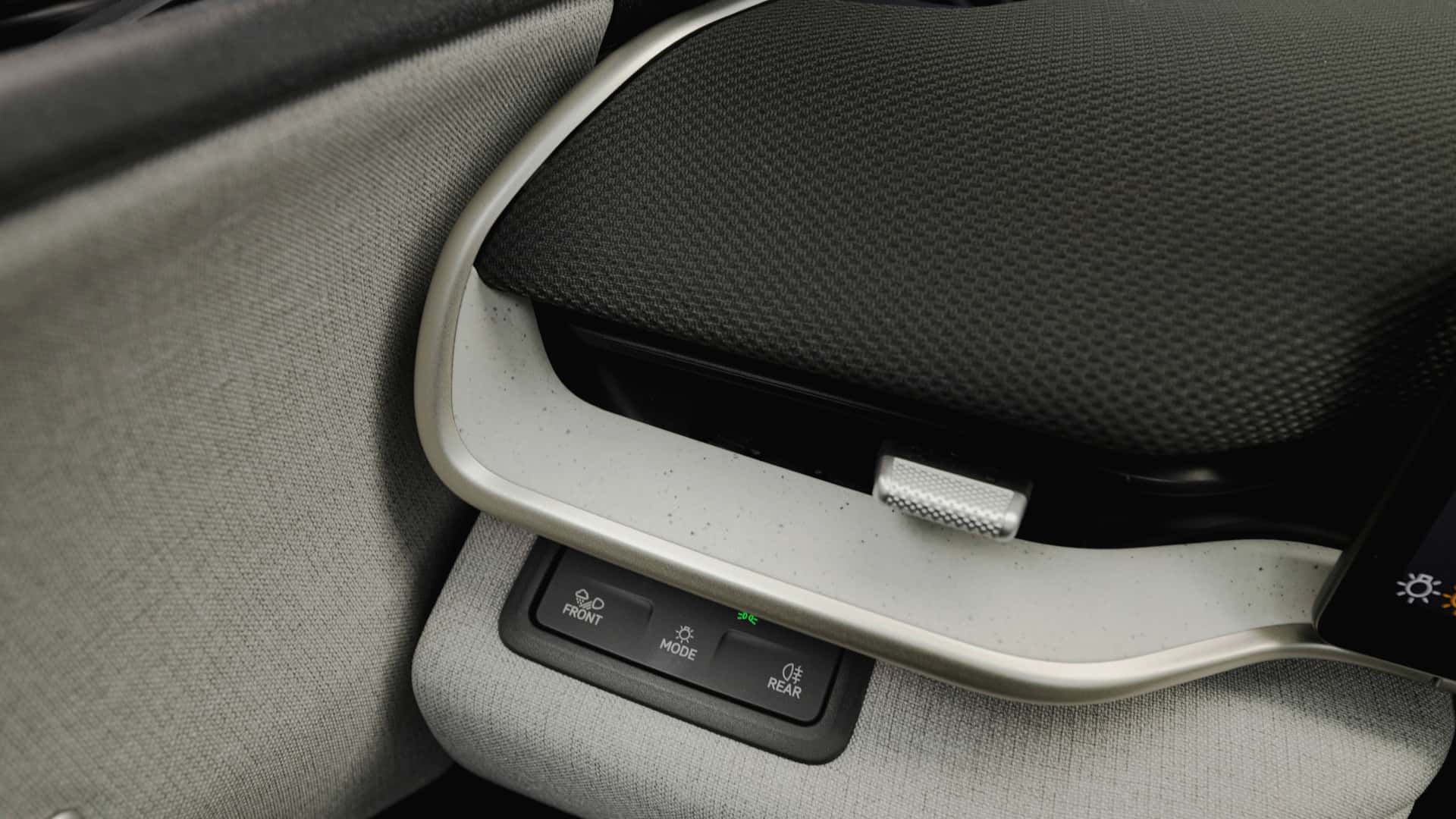
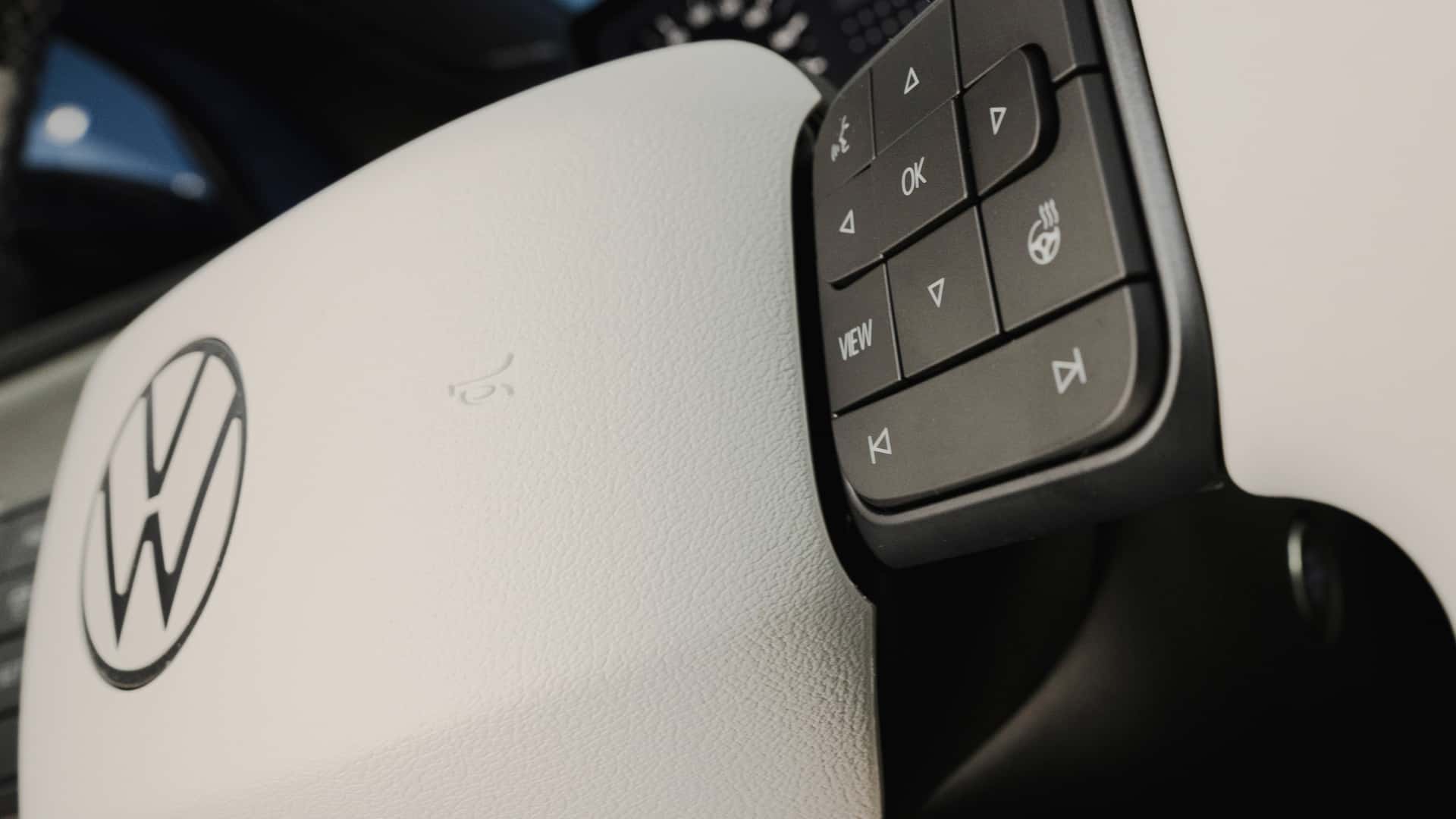
The return to traditional controls extends to the steering wheel, where Volkswagen has abandoned touch-sensitive capacitive buttons in favor of proper mechanical switches. These touch controls had drawn heavy criticism for being imprecise and frustrating to use, especially while driving. By going back to real buttons, VW aims to improve usability and safety across its future models.
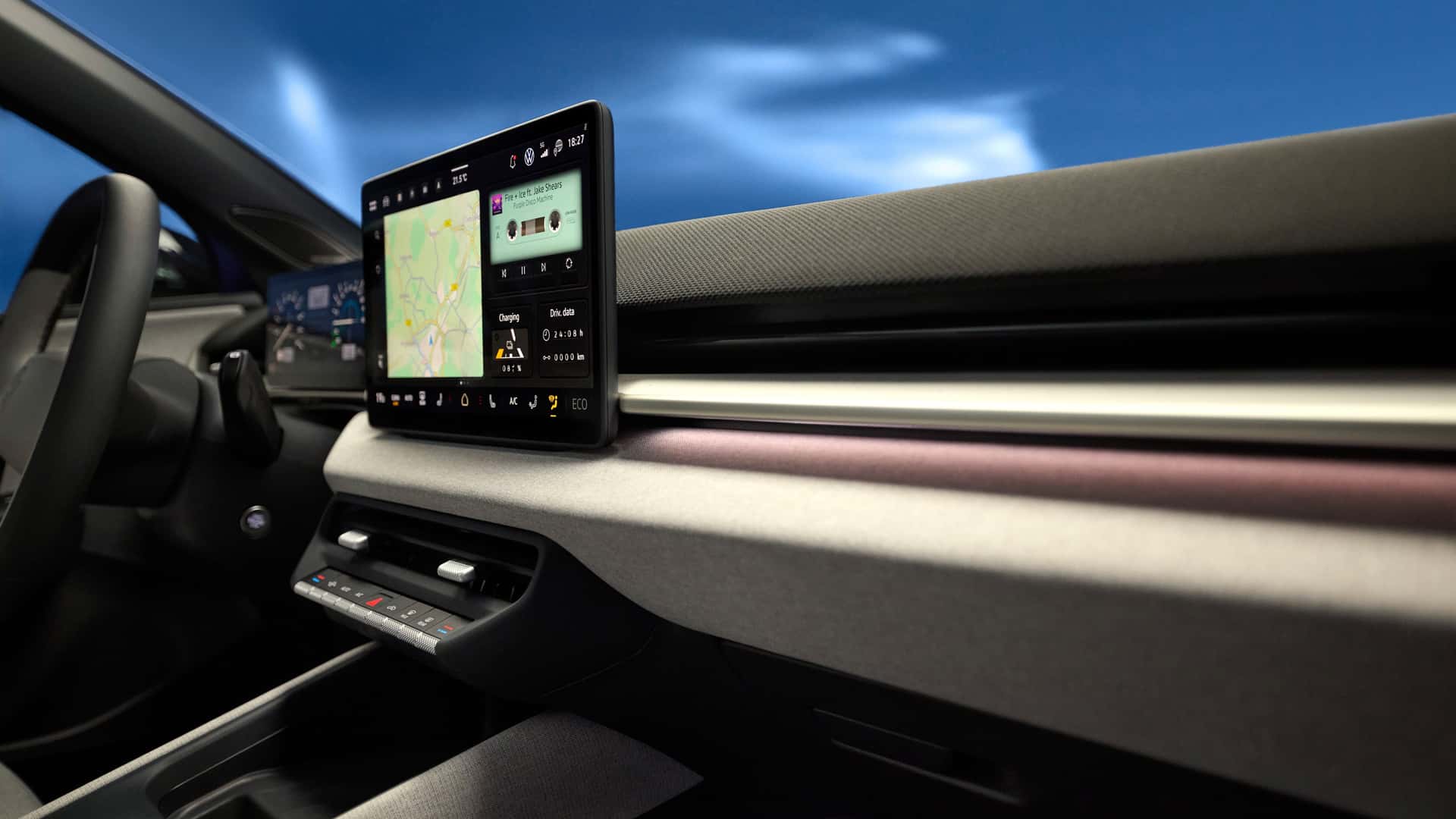
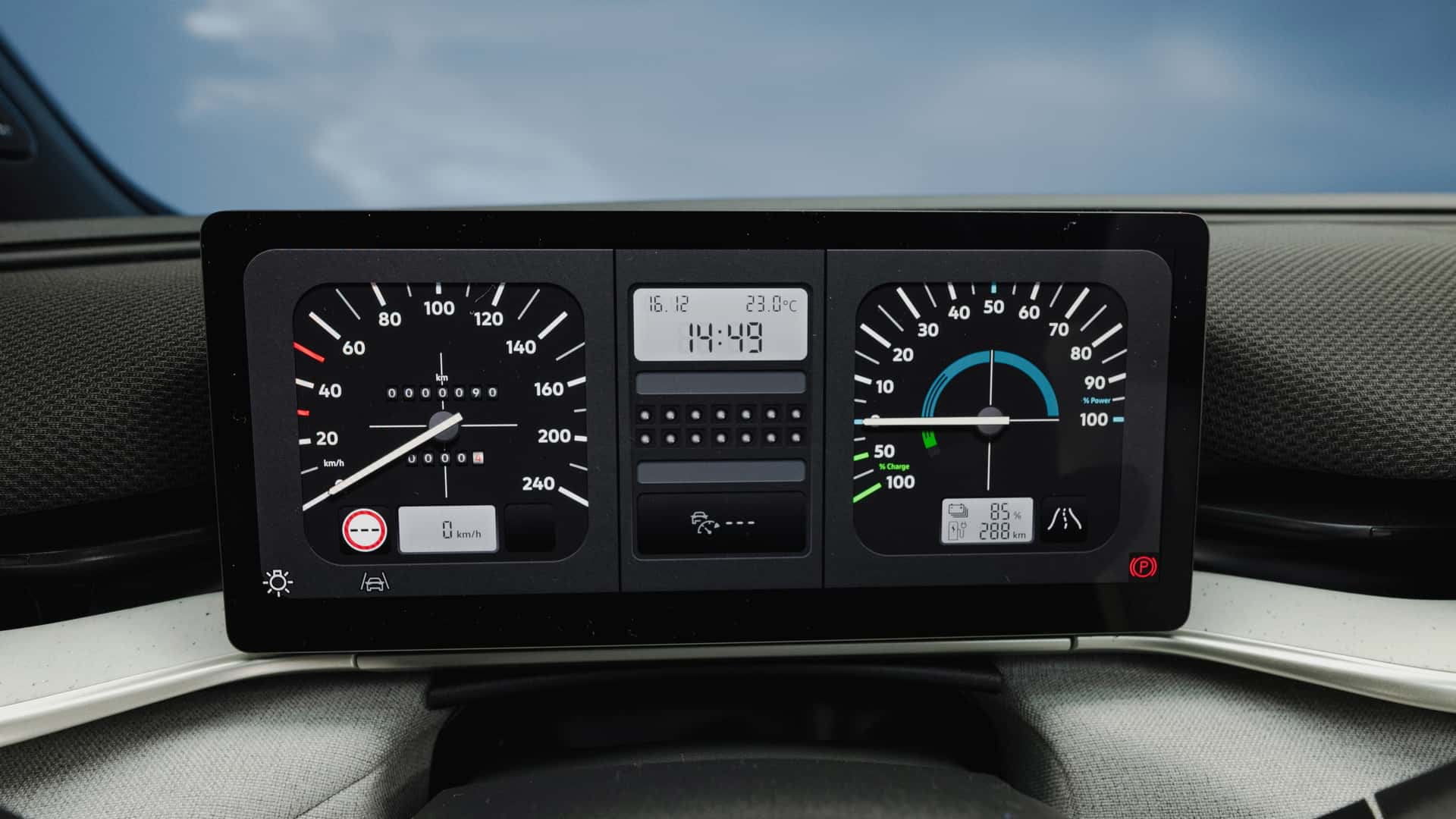
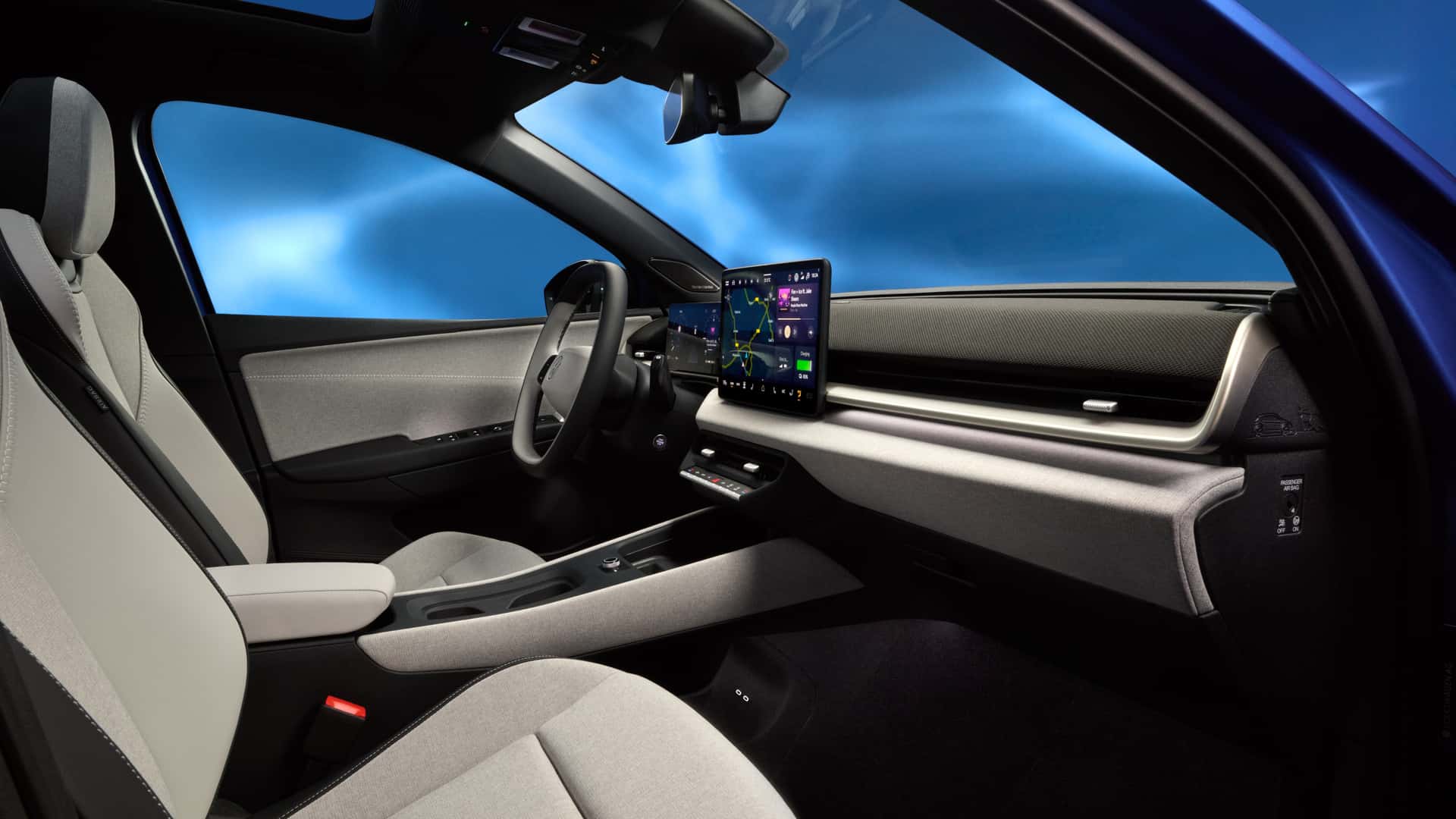
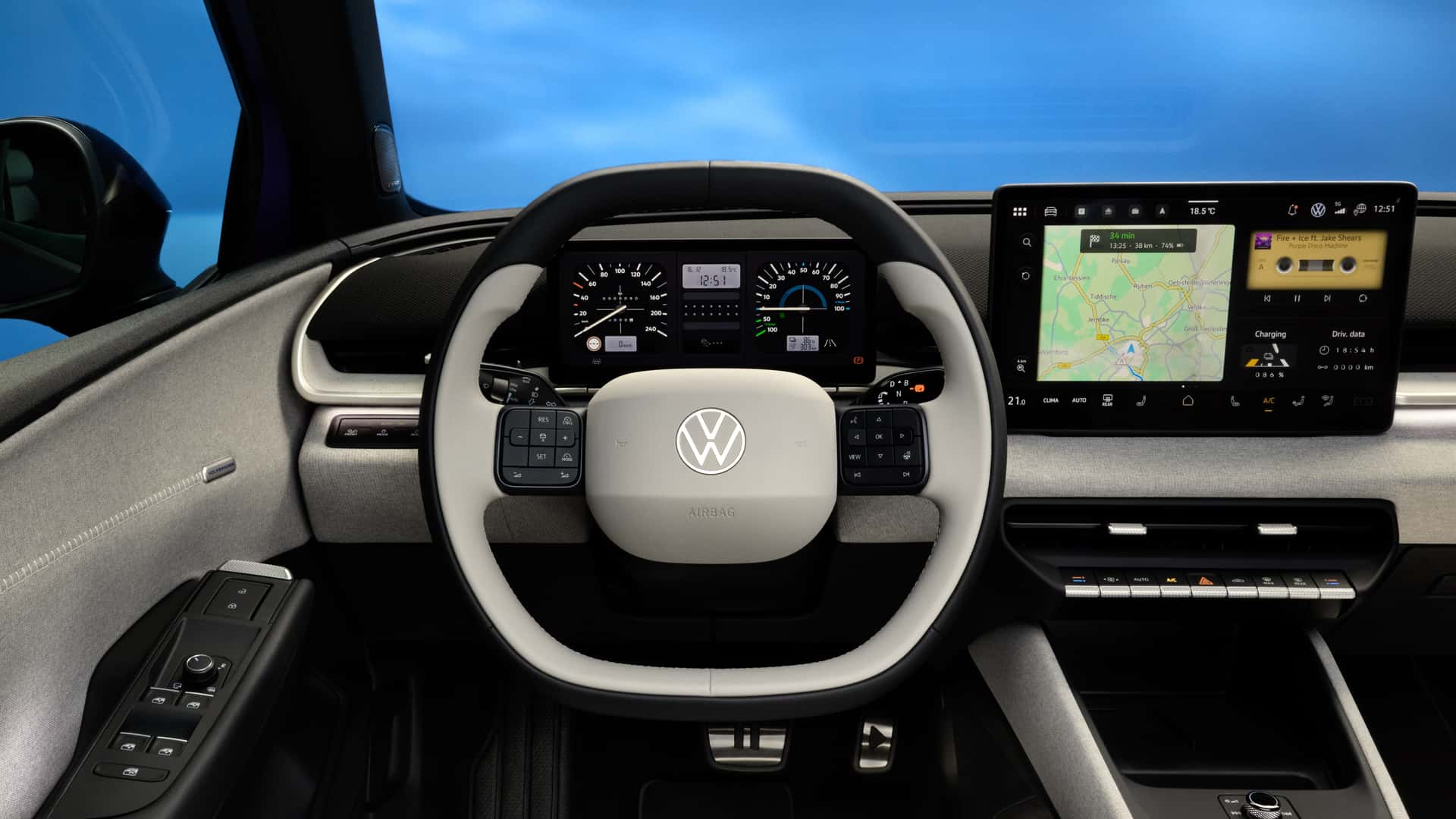
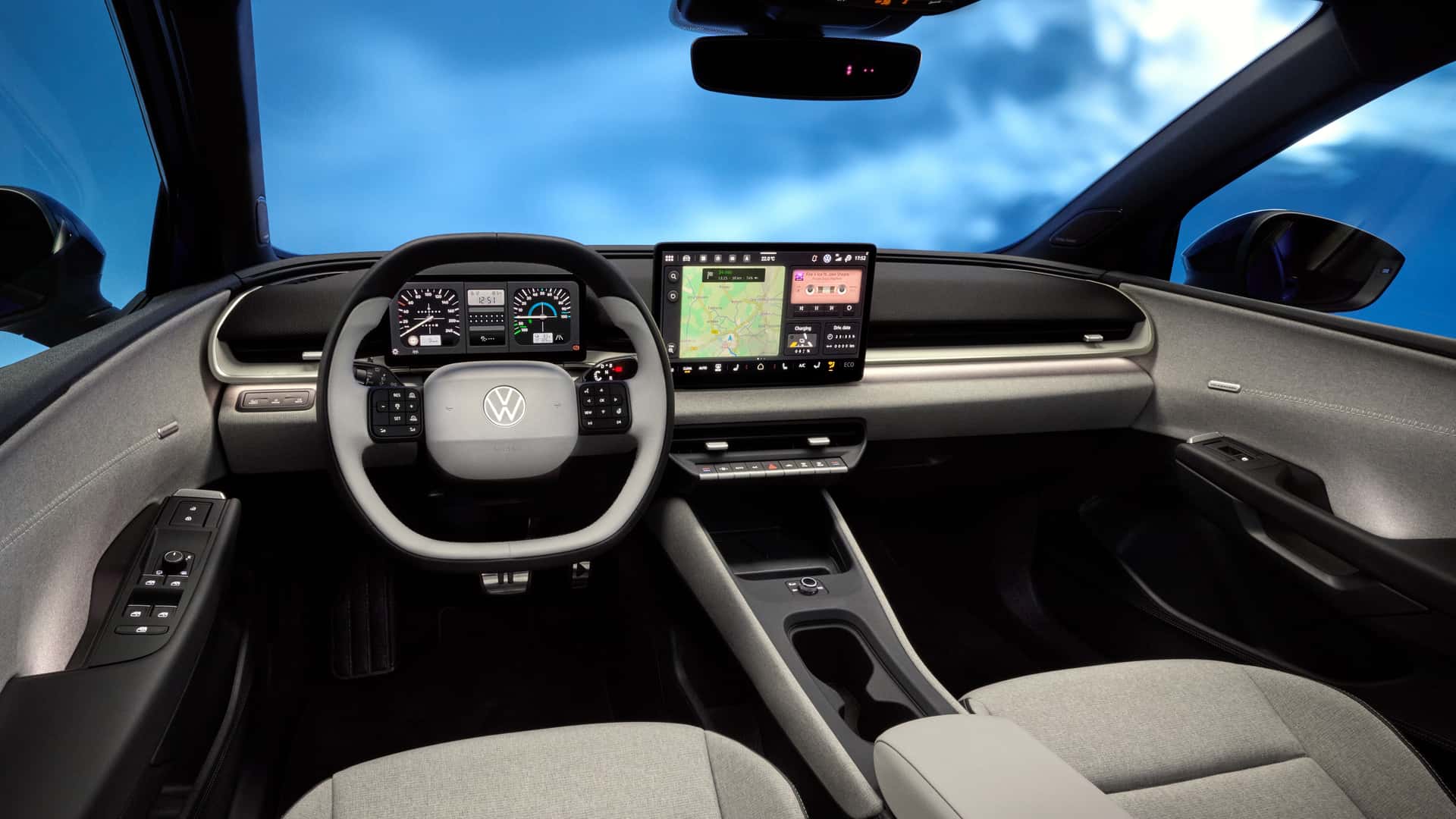
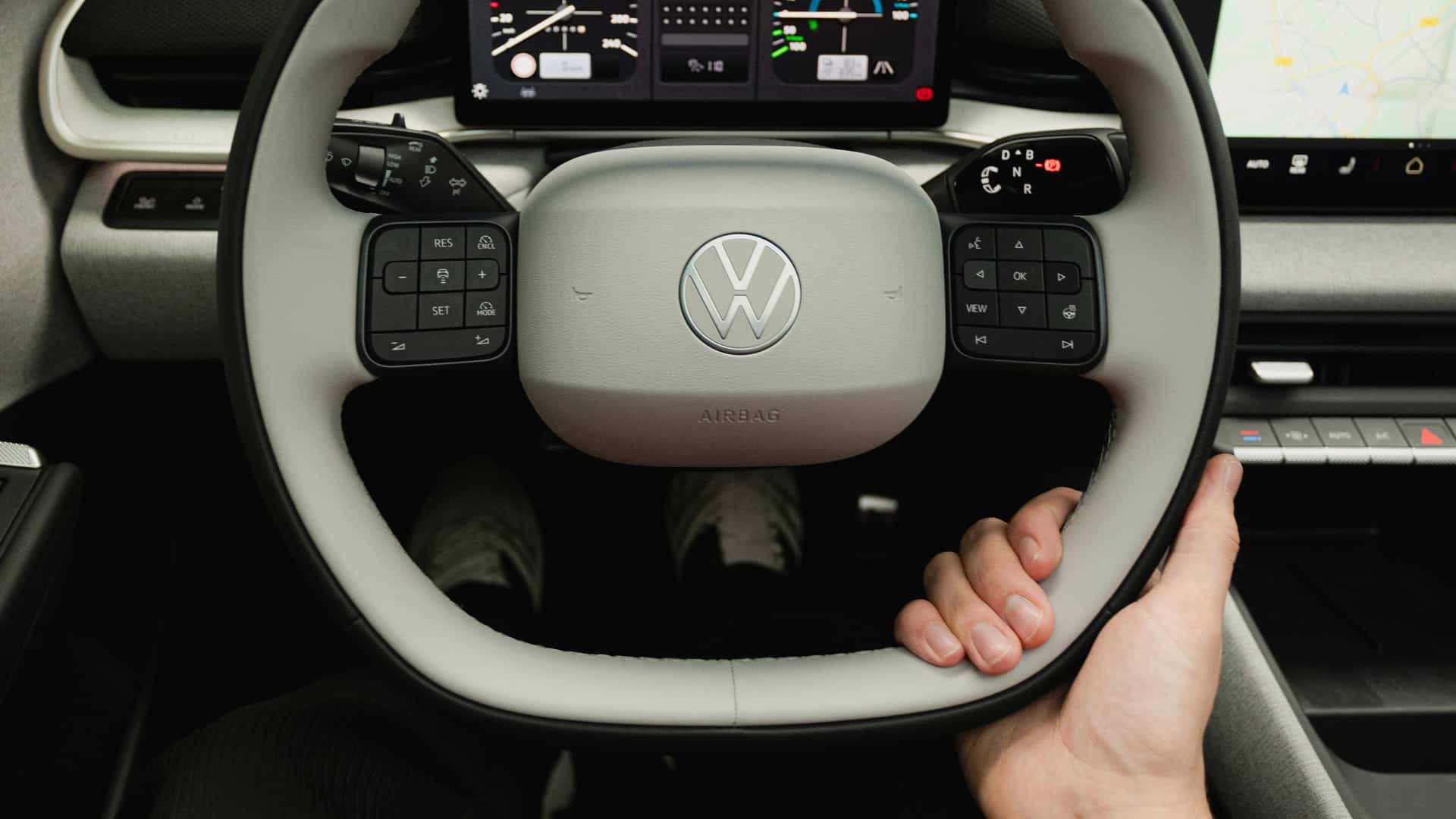
Nostalgia plays a role in the ID. Polo’s interior design as well. The digital instrument cluster offers a retro-inspired display that echoes the look of the original Volkswagen Golf. Drivers can activate this classic-style layout either through the infotainment system or by using a steering-wheel button. Even the infotainment interface can switch to a cassette-deck-like visual theme, clearly targeting longtime VW fans.
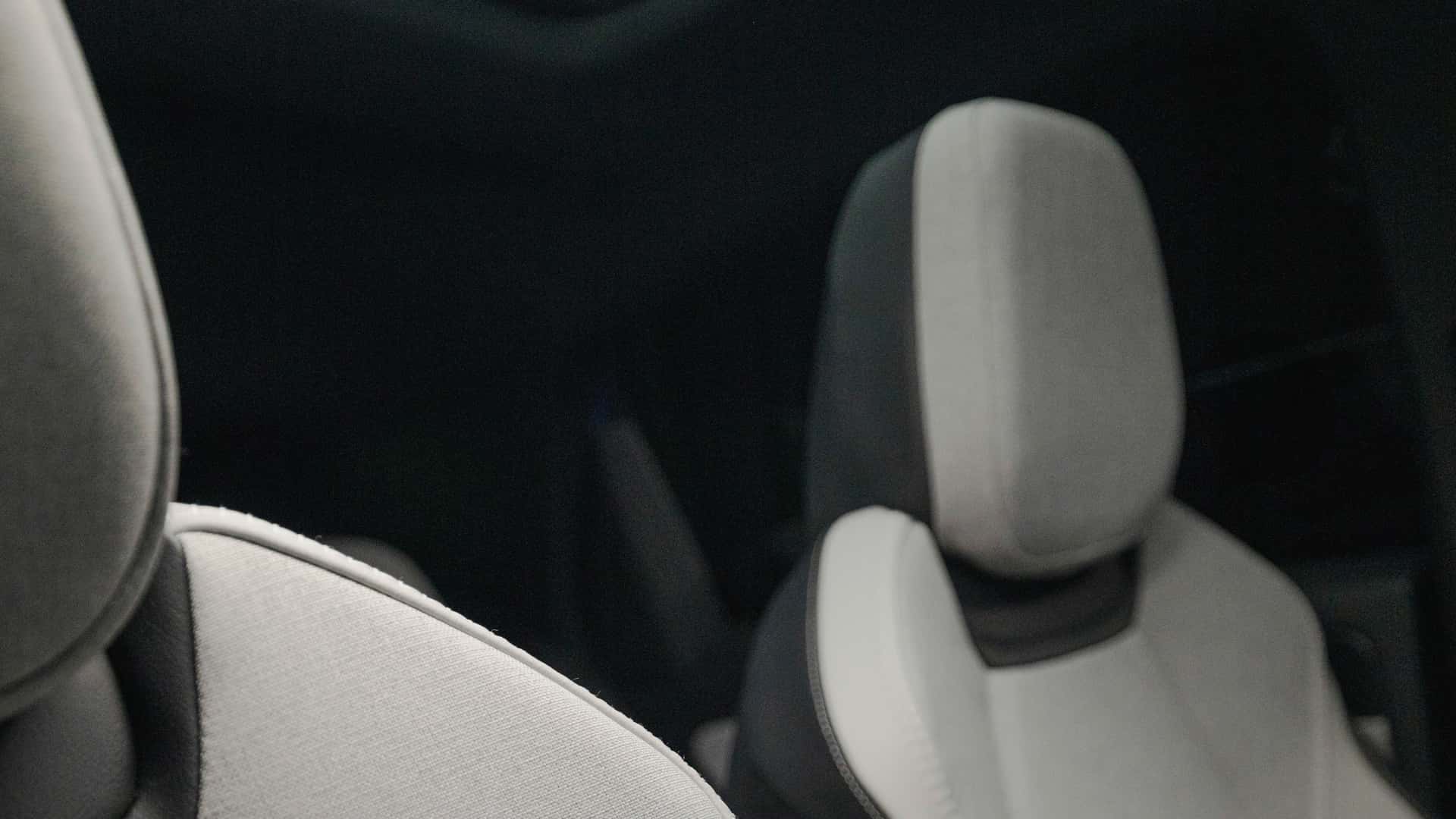
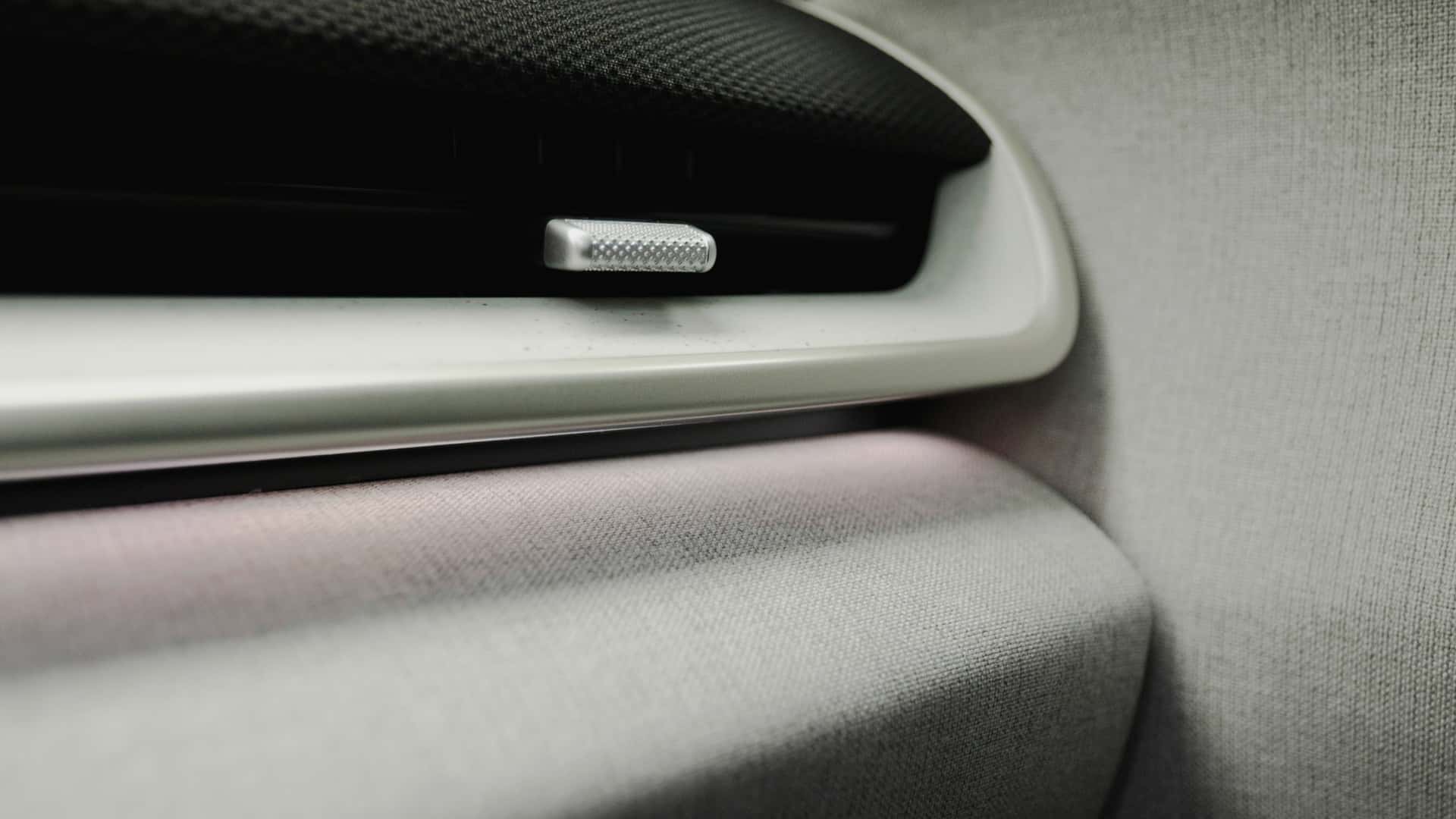
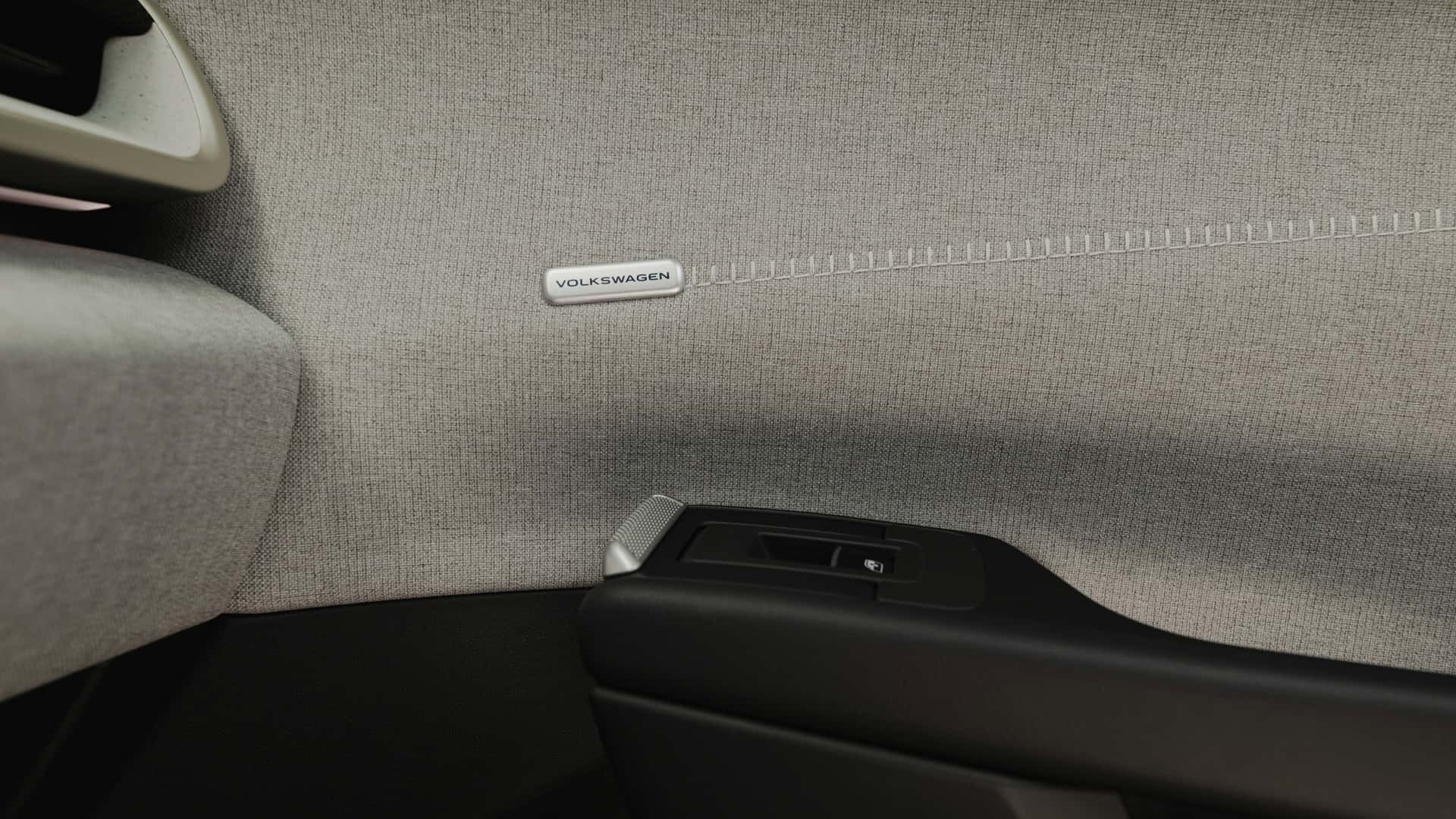
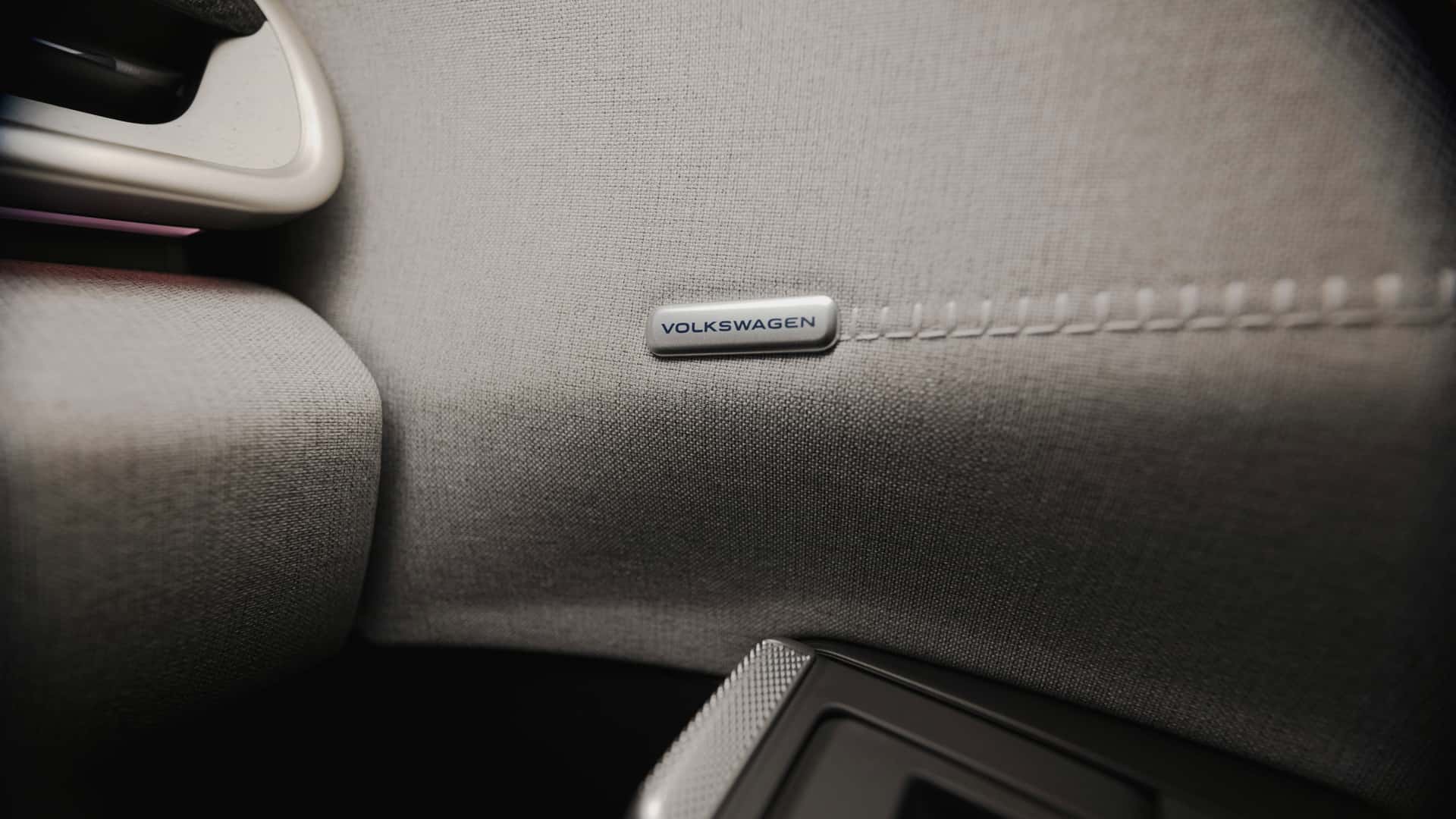
Practicality has also improved. Unlike some recent VW models that featured only two window switches with a toggle for front and rear windows, the ID. Polo restores four dedicated window buttons. Volkswagen is also promising higher-quality cabin materials despite the car’s affordable price point, which is expected to stay below €25,000 before incentives. Fabric inserts on the dashboard and door panels help elevate the overall feel of the interior.
While the interior layout isn’t perfect—some may still prefer fully integrated screens rather than tablet-style displays—the ID. Polo makes noticeable progress. The driver display measures 10.25 inches, paired with a nearly 13-inch infotainment screen, offering a more substantial setup than the smaller display found in the ID.3.
Overall, the ID. Polo signals a broader shift in Volkswagen’s design direction. Upcoming electric models, including the production version of the ID. Cross and a sub-€20,000 EV planned for 2027, will follow the same philosophy. That smaller electric hatchback, previewed by the ID. Every1 concept, may even revive a classic VW nameplate such as Lupo or up!, further reinforcing the brand’s renewed focus on familiarity and ease of use.