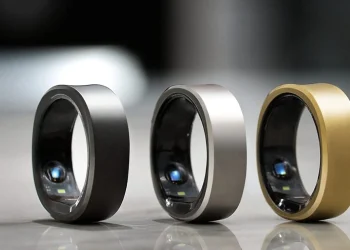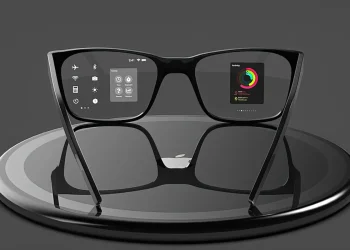

Samsung is developing a new health-monitoring feature for its wearable devices that aims to help detect early signs of cognitive decline, including patterns associated with dementia. The feature is part of a broader push by tech companies to expand the role of smartwatches and fitness bands beyond heart rate and steps, turning them into tools that can support long-term wellbeing. Rather than diagnosing conditions, the new capability focuses on spotting subtle changes in daily behavior that could signal the need for further evaluation by a medical professional.
At its core, this brain health tool uses movement, sleep, and activity data collected by the wearable’s sensors to build a baseline picture of how a person’s cognitive function appears over time. Changes in patterns — such as reduced mobility, irregular sleep rhythms, or shifts in typical activity levels — don’t automatically mean a serious condition, but they can raise flags that something worth investigating might be happening. By tracking these trends consistently and over long periods, the system aims to notice variations that might not be obvious in a single visit to the doctor’s office.
One of the key strengths of this approach is its focus on natural behavior in everyday life. Traditional cognitive tests occur in clinical settings and provide snapshots that may not reflect daily functioning. By using data already gathered through regular wearable use, the new Samsung feature can offer a more continuous perspective, giving both users and physicians a richer context for understanding gradual changes. This could be especially helpful for early-stage concerns, where intervention and lifestyle adjustments might have the most impact.
Importantly, Samsung’s brain health feature is not a diagnostic tool and does not replace professional medical evaluation or cognitive testing conducted by specialists. Instead, it acts as an early alert system that encourages users to seek further assessment if ongoing patterns appear out of the ordinary. Clear communications and user controls are built into the experience so people can understand what is being monitored, how data is interpreted, and when they should consider following up with a clinician.
Privacy and data security are central to how this tool is meant to work. Personal health information remains on the device or within secure health platforms unless the user chooses to share it. Samsung is emphasizing transparency about data handling to ensure that sensitive signals related to cognitive health are protected and only used in ways the user explicitly approves.
This move reflects a broader trend in wearable technology toward predictive wellness — supporting users not just in reacting to problems after they occur, but in recognizing early signs that could lead to proactive steps. Features like fall detection, irregular heart rhythm alerts, and now cognitive-behavior pattern monitoring all represent ways that smart wearables are evolving into more comprehensive health companions.
For many people and families concerned about aging and cognitive health, this kind of technology could become a valuable part of their health toolkit. By providing continuous, passive insights into behavior and wellbeing, wearables could help users and health professionals stay better informed. As Samsung rolls out these capabilities more broadly in future devices, it may encourage a larger conversation about how everyday technology can support longer, healthier lives without overstepping into medical diagnosis.