
Local race tracks across the United States are increasingly under threat, with many smaller venues being shut down or demolished to make way for warehouses, housing projects, and commercial developments. Even legendary circuits such as WeatherTech Raceway Laguna Seca have recently faced growing pressure, highlighting how widespread and serious the issue has become for motorsports enthusiasts.
At the heart of the problem are so-called “nuisance” complaints, most often related to noise or increased activity. As urban sprawl pushes residential neighborhoods closer to tracks that once sat far outside city limits, residents frequently file complaints that can lead to restrictions, lawsuits, or even the complete closure of these facilities. While major speedways are usually insulated from such pressures, small, family-run drag strips and local road courses are the most vulnerable.
SEMA, the organization best known for hosting the annual SEMA Show in Las Vegas, is now taking a more active role in fighting back through legislation. The group has expanded its political presence by establishing a dedicated public and government affairs department, supported by a political action committee that works with lobbyists at the state level. SEMA’s goal is to represent the interests of the automotive aftermarket while also protecting the grassroots motorsports venues that serve as its foundation.


















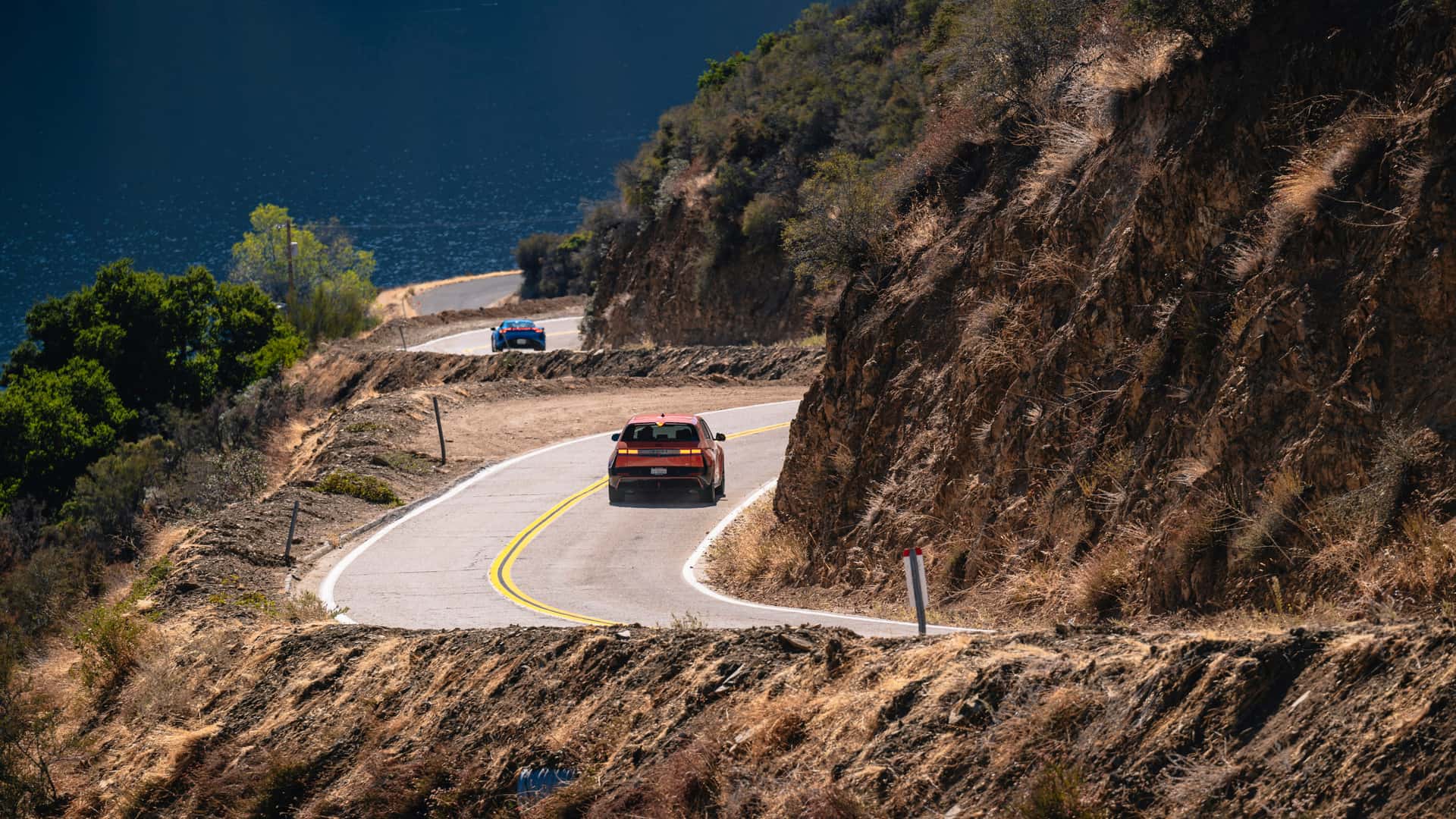
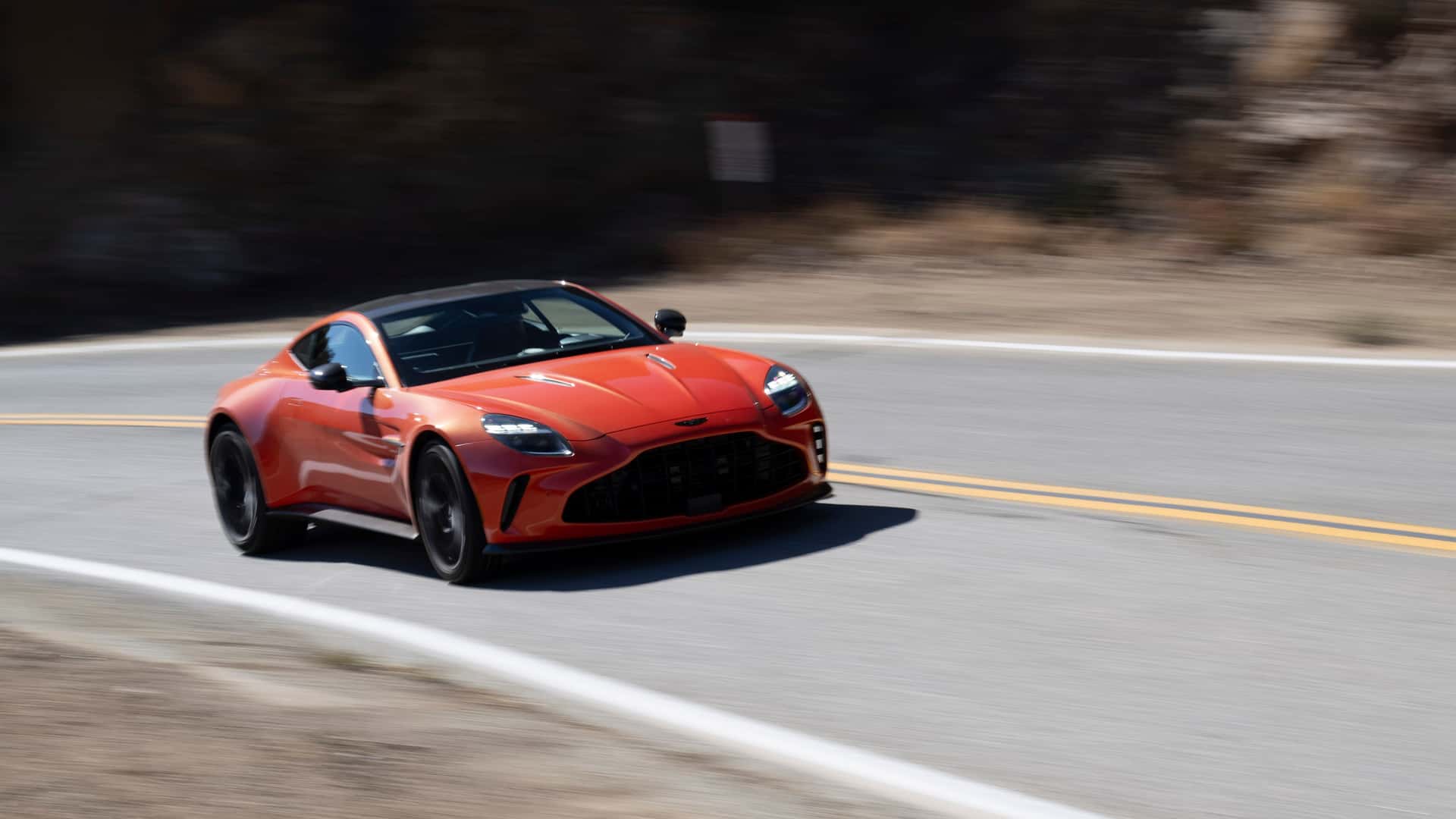
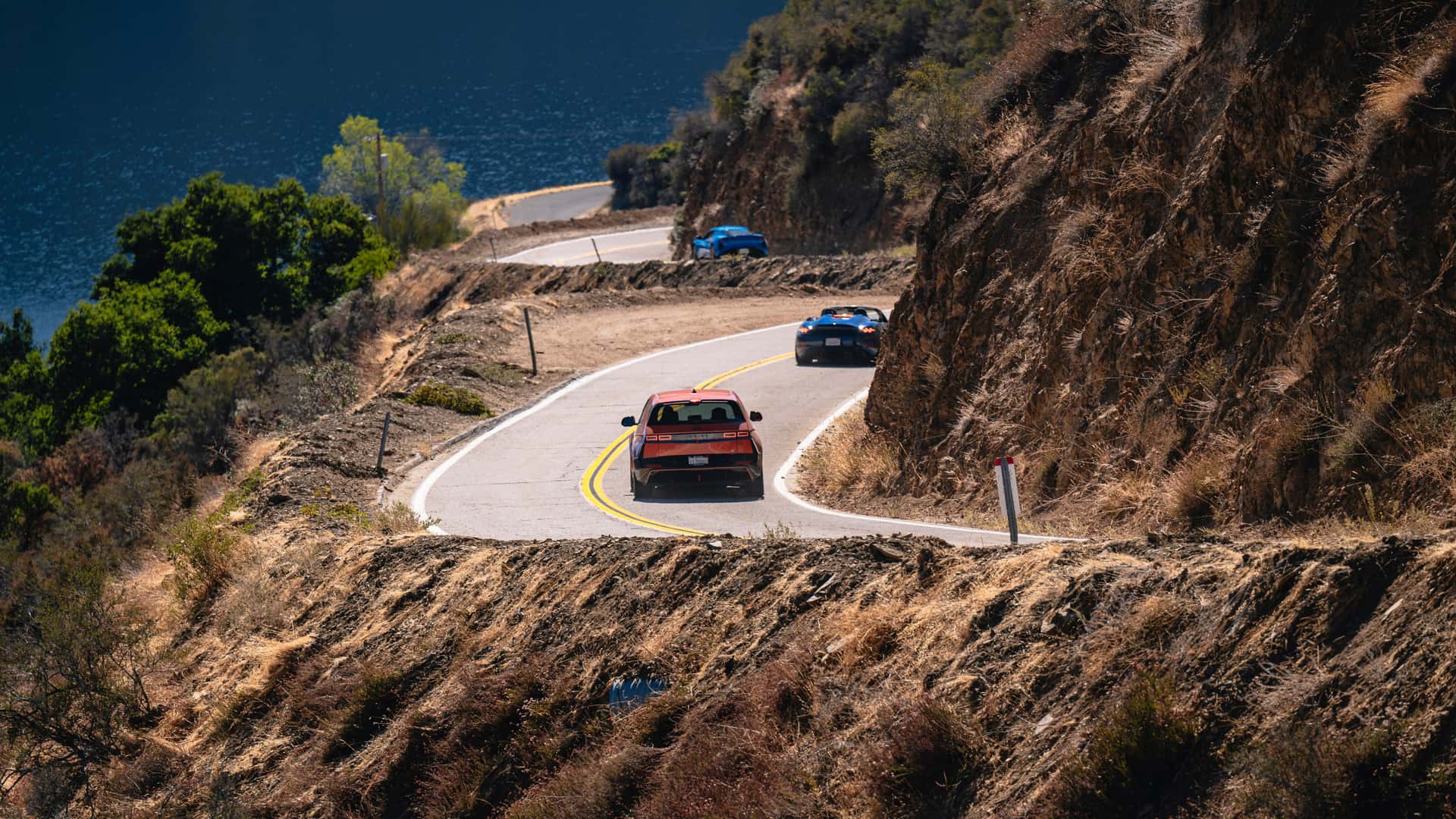

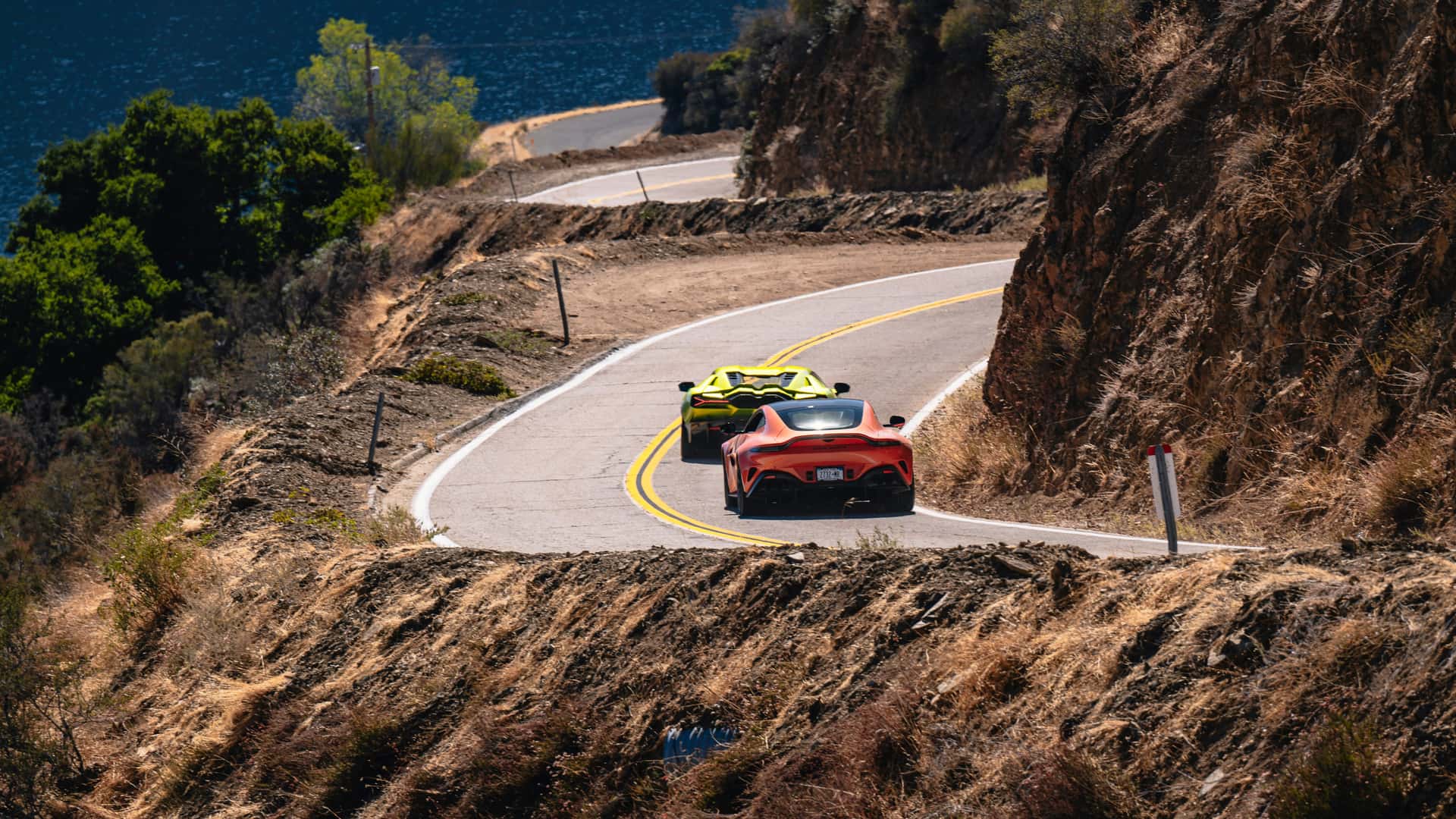





According to SEMA’s Senior Vice President of Public and Government Affairs, Karen Bailey-Chapman, the organization is pushing for state-level “anti-nuisance” laws designed to shield existing tracks from legal action brought by newer neighboring developments. These laws would apply broadly, covering everything from drag strips and road courses to off-road and overland parks. The core principle is simple: if a race track existed before nearby homes or businesses were built, it should not be penalized for continuing normal operations.
Without such protections, nuisance complaints can escalate quickly. Initial noise limits may be imposed, followed by lawsuits from residents seeking court-ordered restrictions or condemnation. In more extreme cases, prolonged legal battles and rising costs can weaken track owners financially, opening the door for developers to acquire the land. SEMA believes its proposed legislative approach could be replicated across multiple states, offering long-term stability for local tracks and helping preserve America’s grassroots racing culture.