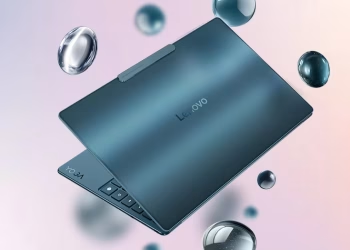

Intel’s upcoming line of Core Ultra processors may offer a compelling mix of performance and efficiency that helps stretch your tech budget without sacrificing capability. Unlike some previous generations that relied heavily on peak clock speeds for raw power, these new chips are designed with a broader focus on balanced performance. That means everyday tasks, creative workflows, and even games should feel responsive and fast while using energy more intelligently — a combination that can make mid-range laptops and desktops feel more capable without jumping to premium price tiers.
One of the key shifts with the next Core Ultra series is how Intel blends multiple types of processing cores to handle different workloads more effectively. Instead of relying solely on high-power cores, these chips mix efficient cores that tackle routine tasks with performance cores that step in for demanding jobs like video editing or 3D rendering. The result is not just better raw performance but smoother multitasking and improved battery life in portable systems. For buyers who want a laptop that works hard all day without needing frequent charging, this balanced design can deliver noticeable real-world benefits.
Another area where Core Ultra aims to deliver value is in its support for emerging features tied to artificial intelligence and immersive applications. As computers take on more real-time tasks — from smart assistants to media upscaling and content creation tools — having dedicated hardware that accelerates AI workloads helps ensure these experiences stay fast without overloading the main processor. This kind of hardware-assisted performance can reduce the need for users to spend extra on specialized components or co-processors while still enjoying modern, intelligent computing features.
Memory and connectivity support also get attention with the new chips. By integrating improved memory controllers and faster I/O paths, Core Ultra processors are expected to reduce bottlenecks that can slow down complex workflows involving large data sets or high-resolution media. This is particularly relevant for creators and professionals who rely on snappy responsiveness when moving between applications or rendering detailed visuals, making capable machines more affordable without cutting corners elsewhere in the system.
The combination of smarter performance, efficient power use, and modern feature support could shift how value is assessed in consumer and business systems. Instead of paying for the highest clock speeds or flagship numbers on a spec sheet, buyers might find that mid-tier systems with Core Ultra deliver a “sweet spot” in everyday performance that aligns better with actual usage patterns. In a market where component prices and overall system costs continue to fluctuate, this balance can make a significant difference in total value.
Of course, exact pricing and configurations will vary by manufacturer and market segment, and Intel’s partners will play a key role in how these chips show up in real products. But early insights suggest the new Core Ultra lineup has the potential to redefine performance expectations — offering capable computing experiences that don’t demand a premium price tag to feel modern and responsive.