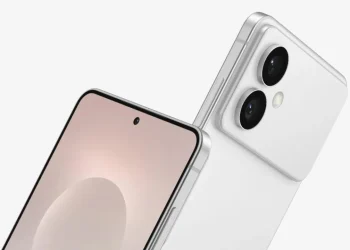

A new high-end Android phone entering the flagship arena is drawing attention for its bold approach to camera hardware, combining a powerful 200 megapixel main zoom camera with a physical ring around the body that lets users adjust optical zoom much like a traditional camera lens. This design stands out in a market dominated by software-driven zoom systems, offering a tactile, familiar way for photographers to change focal length without relying solely on on-screen controls.
The physical zoom ring sits on the side of the phone and responds to twisting motions, making it possible to shift between different zoom levels with a sense of precision that feels closer to using a DSLR or mirrorless camera. By pairing this mechanism with a dedicated 200 MP sensor designed for long-reach photography, the phone aims to deliver clearer portraits and distant shots with more detail than typical digital zoom alone can manage. Enthusiasts who want a camera-centric smartphone experience may find this approach especially compelling.
Behind the hardware is a suite of imaging software that supports the camera’s capabilities, helping stabilize shots, reduce noise, and optimize detail at high zoom ranges. This mix of hardware and software is crucial because capturing high-resolution images at extended focal lengths can be demanding, especially in low light. The manufacturer appears to be betting that combining a physical control with strong sensor performance will not only produce striking photos but also make the act of shooting more engaging.
Beyond the zoom innovations, the phone is expected to deliver flagship-level performance across the board, with a fast processor, generous memory, and a smooth display suited to gaming and multimedia. Battery capacity and fast charging are also likely to be competitive, ensuring the device can keep up with heavy use throughout the day. While camera features headline the buzz, the overall package is meant to appeal to users who want top-tier specs in every category.
This new imaging-focused phone enters a crowded field where rivals constantly push boundaries with larger sensors, periscope lenses, and AI-driven photography tools. What sets this model apart is the physical interaction offered by the zoom ring, which could resonate with creators who miss the tactile feel of traditional cameras but still want the convenience of a smartphone. By bringing that control back into mobile photography, the phone blurs the line between dedicated cameras and all-in-one pocket devices.
Details about pricing and availability are still emerging, and it remains to be seen how broadly the phone will be released. Early impressions suggest that this could be one of the most intriguing imaging innovations in a smartphone this year, especially for users who put mobile photography at the center of their daily tech use.