
Lenovo is preparing a new keyboard that could change how people think about powering their peripherals. The upcoming device is designed to charge itself using energy harvested from typing and hand motion, potentially eliminating the need for batteries or frequent charging sessions. This self-charging feature makes the keyboard well suited for both work and gaming, where long hours of use normally drain traditional wireless keyboards quickly.
At its core, the keyboard uses a built-in energy conversion system that captures small amounts of kinetic energy whenever keys are pressed or the device is moved. Over time, this harvested energy adds up and keeps the keyboard’s internal battery topped off. Lenovo’s approach aims to reduce interruptions during important tasks or intense gaming sessions by minimizing dependency on external power sources. For users who dislike swapping out batteries or plugging in charging cables, the self-sustaining design could offer a noticeable convenience boost.
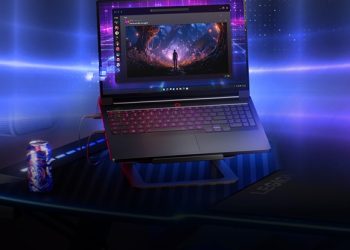
Aside from its charging technology, the keyboard is expected to deliver performance features that appeal to a wide audience. Responsive key switches and customizable lighting profiles help make the device comfortable for typists and attractive for gamers who value tactile feedback and visual flair. Lenovo appears to be balancing practicality with performance, ensuring the keyboard meets the demands of everyday productivity work as well as fast-paced game input.
Wireless connectivity is another focus for the new keyboard. It is expected to support multiple connection modes, allowing users to link it to laptops, desktops, or even tablets with minimal fuss. This flexibility makes the keyboard a versatile companion for different setups, whether in the office, living room, or a gaming desk. Lenovo’s design also suggests a durable build that can withstand heavy use over time, reinforcing its appeal to frequent typists and competitive gamers alike.
The self-charging keyboard reflects a growing interest in peripherals that reduce environmental impact while enhancing user experience. By converting the energy of everyday use into power, Lenovo aims to cut down on disposable batteries and tangled charging cords, aligning with broader trends toward sustainability in tech accessories. If the technology proves reliable in real-world use, it could inspire similar designs across other input devices in the future.
Details such as release date and pricing have not been confirmed, but the concept alone signals Lenovo’s intent to push beyond conventional accessory design. For anyone tired of constantly managing power levels on wireless keyboards, a self-charging option could offer both convenience and peace of mind — especially for extended workdays or marathon gaming sessions.