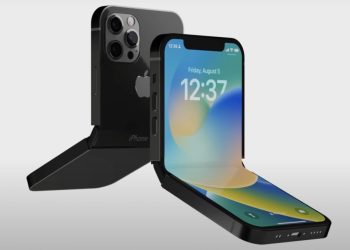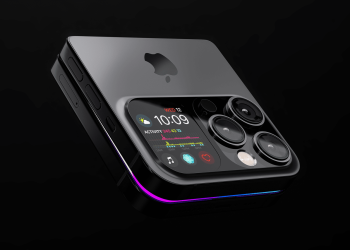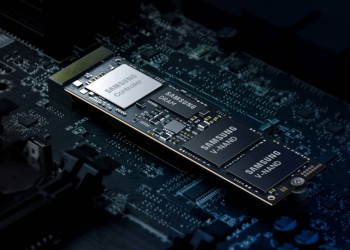

Samsung is reportedly considering using its new Exynos 2600 chip to power the Galaxy Z Flip 8, signaling a potential shift in how the company equips its foldable phones. This move would represent a deeper commitment to Samsung’s in-house silicon at a time when mobile processors are increasingly central to performance and efficiency. By placing its own chip inside the Z Flip 8, Samsung may seek to deliver a more unified hardware and software experience while reducing reliance on external suppliers.
The Exynos 2600 is designed with improved performance in mind, offering a more efficient architecture that aims to balance power and battery life. Early expectations are that the chip will bring noticeable enhancements in speed and responsiveness compared with previous Exynos generations. For a device like the Galaxy Z Flip 8 — which combines compact design with ambitious multitasking capabilities — a powerful, efficient chip could help run demanding apps smoothly and support long days of use without frequent recharging.
In addition to general performance gains, the Exynos 2600 may include upgraded graphics processing and more advanced artificial intelligence capabilities. These improvements could benefit photography, gaming, and on-device machine learning tasks such as camera scene recognition or voice-assisted features. Samsung’s use of its own AI-oriented silicon may also help optimize functions that rely on quick, intelligent processing without constant cloud communication.
Putting a proprietary chip into a foldable device also suggests Samsung’s broader goal of refining its hardware identity. In recent years, Galaxy flagships have alternated between internal processors and those from other manufacturers, depending on region and model. A consistent Exynos offering across foldable models like the Z Flip 8 could simplify production and create a more predictable performance profile for consumers worldwide.
It remains uncertain whether Samsung will deploy the Exynos 2600 in all versions of the Galaxy Z Flip 8 or only in certain markets. The company typically tailors chipsets based on regional demand and carrier partnerships, so the final rollout could vary. Still, the possibility of an Exynos-powered Flip highlights Samsung’s confidence in its silicon and its desire to push its own technology into more corners of its smartphone lineup.
If the Exynos 2600 does become available in the Galaxy Z Flip 8, it could further blur the line between Samsung’s foldables and its traditional flagship models, giving foldable phones performance that feels as polished and capable as larger, more established devices. For buyers who value both innovation in form factor and power under the hood, this development may make the next Flip even more appealing.