

The global memory market is facing ongoing pressure as shortages of RAM continue to disrupt the technology supply chain. Memory modules used in computers and mobile devices have grown scarce due to rising demand from artificial intelligence systems and large data centers, which consume vast amounts of memory chips for powerful servers. This imbalance between supply and demand means RAM prices have surged, forcing manufacturers and device makers to reconsider production strategies and pricing for the coming years.
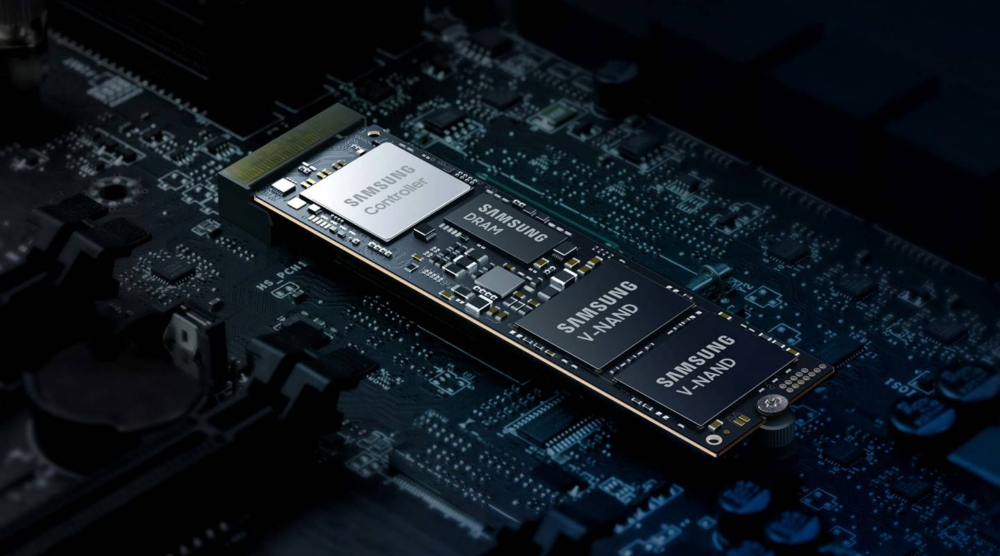
Despite the tightening conditions for memory chips, one of the industry’s largest semiconductor companies has stepped forward to reassure consumers about a key storage product. Samsung has publicly stated that it plans to keep producing consumer solid‑state drives, especially the more affordable SATA‑based SSDs that are widely used in everyday laptops and desktop computers. This announcement contrasts with earlier speculation that the company might scale back or exit this segment due to the broader shortage of NAND flash memory and its prioritization of higher‑value products for enterprise and artificial intelligence customers.
The memory market’s strain is largely linked to shifting priorities among major manufacturers, who are dedicating more of their production capacity to advanced memory used in AI servers and high‑performance computing. These types of chips offer higher profit margins and are in intense demand from cloud providers and tech giants racing to build larger AI infrastructures. As a result, traditional DRAM modules and consumer‑grade NAND flash — the building blocks of RAM and SSDs — are squeezed between competing needs, with tighter inventories and limited new capacity coming online.
For everyday consumers, the continued production of mainstream SSDs offers some relief. SATA SSDs remain essential for budget systems, upgrades, and older machines where speed demands are modest compared to cutting‑edge NVMe alternatives. Samsung’s commitment to keeping these drives in production for now helps prevent an immediate gap in the marketplace, even though prices for both SSDs and RAM are likely to remain elevated. In the broader market, smaller manufacturers and brands are expected to feel the crunch more acutely, as they may struggle to secure supply while larger firms access priority allocations.
Experts caution that these memory shortages are not a short‑term problem. With production facilities requiring years to expand capacity and demand showing little sign of slowing, the ripple effects could persist into 2026 and beyond. Device makers may continue passing higher component costs onto customers, leading to increased prices for PCs, smartphones, and other electronics, while consumers and businesses adjust to a landscape where essential memory products are harder to obtain and more expensive than they have been in recent memory.