
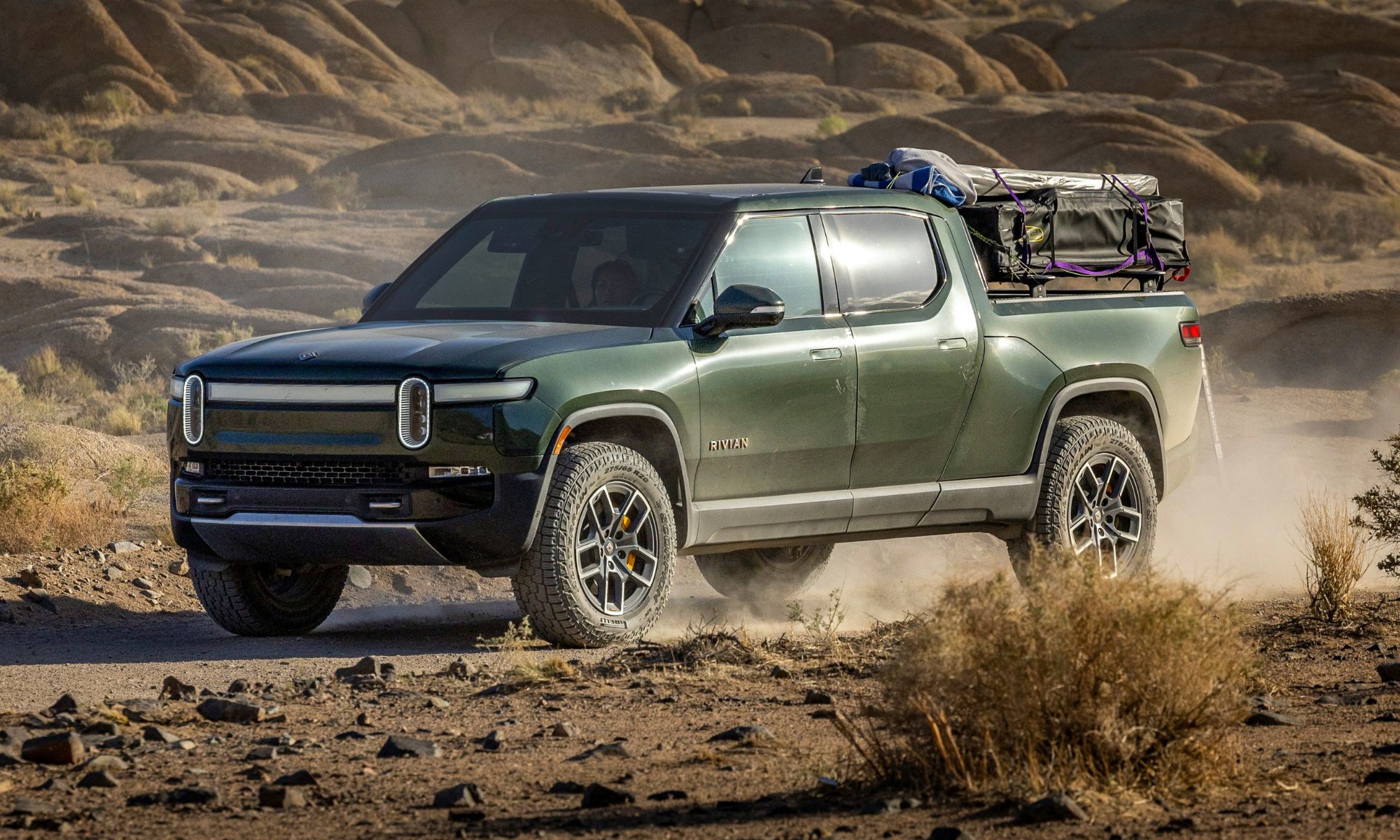

Rivian has pushed out one of its most meaningful over-the-air updates yet, giving owners of second-generation R1T and R1S vehicles the ability to use a true phone-as-key system through the digital wallets built into their smartphones. Until now, Rivian offered app-based unlocking and physical key cards, but this new system marks the first time Rivian vehicles can function like other advanced EVs where simply walking up to the car with a phone in your pocket unlocks everything instantly.
With this update, owners can store a fully functioning digital key directly inside the native wallet app on their device. On iPhones, that means Apple Wallet; on Android devices, it works through both Google Wallet and Samsung Wallet. Once set up, the phone communicates with the vehicle using ultra-wideband (UWB) hardware, the same technology that enables highly precise location tracking. The benefit is accuracy: the car can tell exactly where the phone is instead of guessing through Bluetooth. That means fewer failed unlocks, faster response time, and better security.
The update also activates NFC capabilities for situations where the phone battery is dead or extremely low. Newer phones can still power a digital key for several hours even after shutting off, letting drivers tap the phone near the door to gain entry. It’s a small detail, but it solves a major frustration for EV owners who rely on their phones as their only key.
For day-to-day use, this feature feels like a major step toward frictionless ownership. Walking toward the truck unlocks it automatically, starting the vehicle is as simple as sitting down with your phone nearby, and locking happens as you walk away. No app launching, no buttons, no key fob. This experience finally places Rivian in the same conversation as competitors that have long offered wallet-based digital keys.
Another convenient upgrade in this rollout is the ability to manage multiple digital keys more easily. Each vehicle can now store up to eight keys, and sharing access is nearly instant. Owners can send a digital key to family members, trusted coworkers, or friends with just a message. They can also set time limits or revoke access remotely. It positions Rivian as one of the more flexible EV ecosystems when it comes to multi-user households.
However, the new digital-key system comes with a hardware requirement. Only second-generation R1T and R1S models include the built-in UWB radios needed for precise proximity unlocking. Older models, even after the software update, won’t be able to use the full wallet-based experience. They still rely on the older Bluetooth-based system, which works but is slower, less accurate, and occasionally unreliable when phones or cars fail to pick up the signal.
This limitation has caused mixed reactions among longtime Rivian owners, especially those who purchased their vehicles early and expected futureproof updates. But Rivian has been clear that the UWB hardware simply didn’t exist in earlier builds, making the full digital-key rollout impossible for those models.
Even with that caveat, the update is a significant milestone. It signals Rivian’s commitment to making ownership feel more like a seamless tech experience rather than a traditional automotive one. The company has relied heavily on frequent over-the-air updates to refine navigation, charging behavior, interface design, and driving features. Adding proper wallet-based unlocking fits into a broader strategy of closing convenience gaps and keeping the vehicles competitive as the EV market evolves.
With this update, Rivian joins the growing list of automakers treating smartphones as the primary interface for car access. And for those with newer models, everyday use gets noticeably faster, smoother, and more reliable — a shift many owners have been requesting since Rivian’s first deliveries.