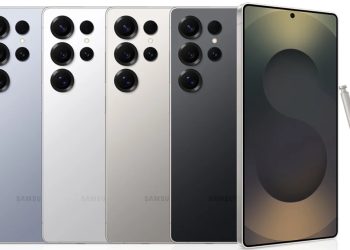

Samsung is reportedly moving closer to building fully customized processors designed exclusively for its Galaxy smartphones, marking a major strategic shift aimed at taking tighter control over device performance, efficiency, and user experience. According to new industry reports, the company wants to develop these chips entirely in-house—from architecture to optimization—rather than relying on either Qualcomm’s Snapdragon lineup or its own semi-custom Exynos designs, which have historically blended internal and third-party components. By pursuing a fully bespoke processor similar to Apple’s approach with its A-series and M-series chips, Samsung hopes to create deeper hardware-software integration and deliver more consistent performance across its mobile ecosystem.
The decision comes after years of mixed feedback regarding Exynos-equipped Galaxy models, which often lagged behind their Snapdragon counterparts in thermal management, sustained performance, and battery efficiency. Samsung appears determined to eliminate that gap by building a chip tailored precisely to the needs of its flagship Galaxy devices, allowing the company to fine-tune AI processing, graphics performance, energy usage, and camera computation in ways not possible with off-the-shelf silicon. Sources claim Samsung has already assembled a dedicated internal task force to oversee the project and is targeting a launch window within the next few generations of its Galaxy S series, though exact timing remains uncertain.

If successful, this move could fundamentally reshape Samsung’s competitive position in the premium smartphone market. Custom processors would give the company a clearer identity, reduce dependency on external chip suppliers, and potentially unlock performance advantages that help future Galaxy phones stand out globally. While the development of proprietary silicon is complex, expensive, and time-consuming, Samsung’s ambition reflects a long-term strategy: to elevate its flagship phones with the same level of tightly integrated engineering that has allowed Apple to dominate benchmarks for years. For now, the industry will be watching closely to see how quickly Samsung can turn this ambitious plan into a reality.